
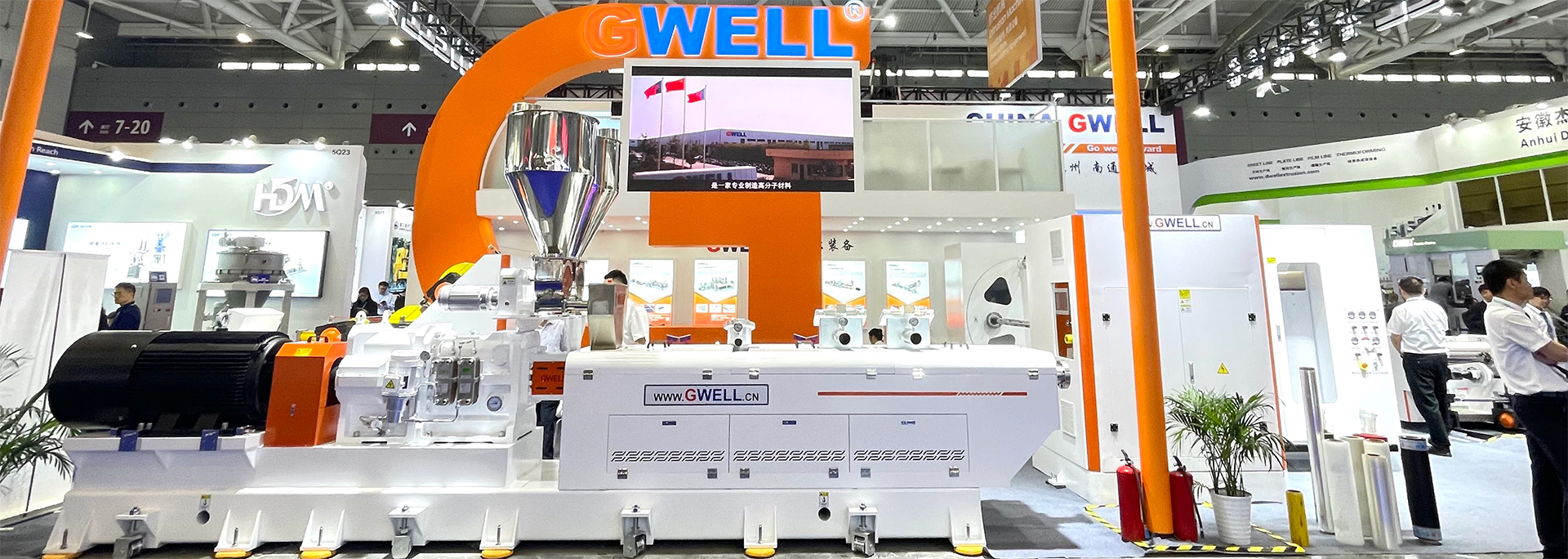
You can see clear differences between EVA, POE, and EPE films in solar use. POE films keep out water better and work well with electricity. EVA films stick fast and glue things together well. EPE films mix the good things from both materials. This gives a balanced choice. The material you pick changes how well your solar film works and how long it lasts. GWELL’s EVA POE EPE Solar Film Extrusion Line uses new technology to make great films.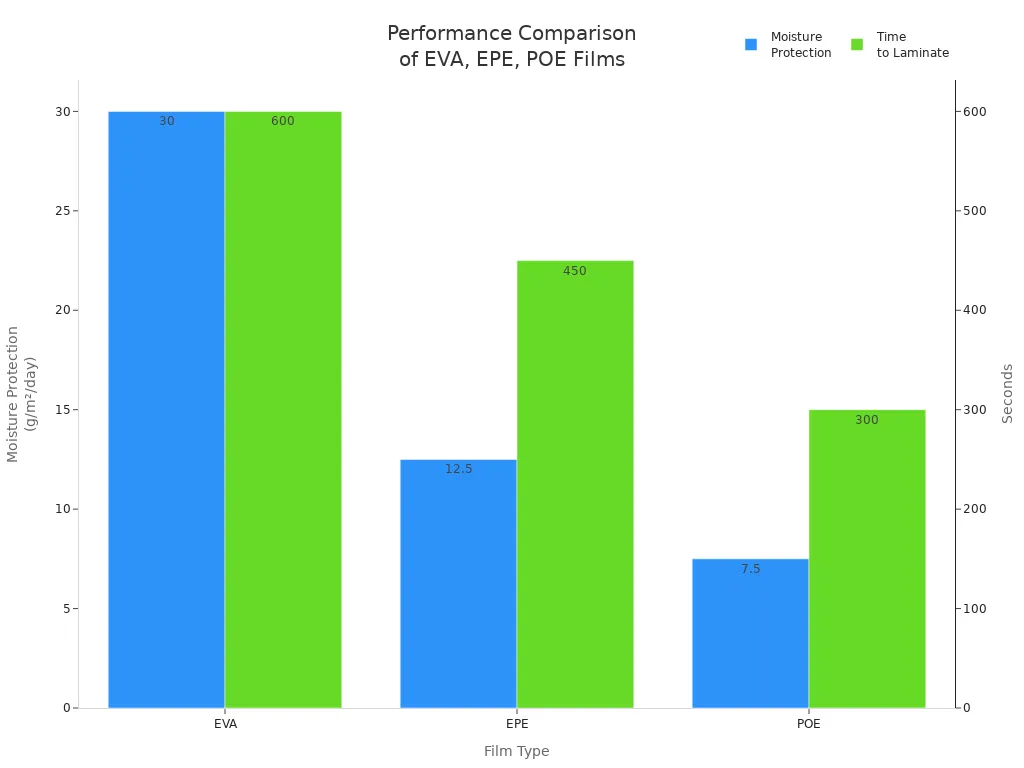
Key Takeaways
EVA films are see-through and stick easily. They are good for most solar panels. POE films are great at stopping water vapor. This keeps solar panels dry and helps them last longer. EPE films mix the best parts of EVA and POE. They give both water protection and strength. Picking the right film can make solar panels work better and last longer. GWELL’s special machines let people make custom solar films fast and with high quality.
1. Material Overview
EVA Film
EVA film is used a lot in solar panels. EVA means ethylene-vinyl acetate. This material lets in lots of light and sticks well. It is also flexible and bends easily. More than 91% of light can go through EVA films. This helps solar cells make more energy. The film sticks to glass with a peel strength over 80 N/cm. EVA films block water vapor at a medium level, between 30-40 g/m²/day. You can use EVA films in cold or hot places, from -40°C to +85°C. GWELL’s Cast Film Extrusion Line makes EVA films that look clear and bond forever after heating.
Tip: EVA films stick very well and let in lots of light.
POE Film
POE film is made from polyolefin elastomer. It blocks water vapor very well and keeps electricity safe. POE films let more than 91% of light pass through. They stop water vapor better than EVA, with less than 5 g/m²/day. This keeps solar cells dry. The film sticks to glass with peel strength over 100 N/cm. POE films stay strong in heat and have high volume resistivity, above 10¹⁵ Ω·cm. GWELL’s Sheet Extrusion Line uses new ways to make POE films for solar panels.
Note: POE films are good for wet places and let in some light.
EPE Film
EPE film mixes the good things from EVA and POE. It gives both water resistance and strength. EPE films let more than 91% of light go through. They block water vapor between 8-15 g/m²/day. The film sticks to glass with peel strength over 90 N/cm. EPE films are strong and stick okay. GWELL’s Board Extrusion Line makes EPE films for solar panels, packing, and other uses.
EPE films are a good choice if you need both strength and water protection.
2. Properties Comparison
When picking a film for solar panels, you should check three things. These are light transmittance, water vapor resistance, and durability. Each film type—EVA, POE, and EPE—has its own strong points. GWELL’s EVA POE EPE Solar Film Extrusion Line uses new technology to make these properties better.
Light Transmittance
EVA film lets in the most light. This helps your solar panels make more energy.
POE film also lets in a lot of light, but sometimes a bit less than EVA.
EPE film gives a good mix. It combines the high light transmittance of EVA with the benefits of POE.
GWELL’s EVA POE EPE Solar Film Extrusion Line uses top resins and controls thickness well. This makes films that are very clear and see-through.
Water Vapor Resistance
EVA film lets water vapor pass through more easily. Over time, this can make the film turn yellow and work less well.
POE film blocks water vapor very well. It keeps water out and protects your solar cells.
EPE film mixes both materials. It has a much lower water vapor rate than EVA alone. This means it keeps out water better and helps your panels last longer.
EPE films have even and strong layers. The EVA POE EPE Solar Film Extrusion Line makes sure each layer is the same, which helps stop water from getting in.
Durability
You want your solar panels to last a long time. POE and EPE films show less damage after heat and moisture tests.
GWELL’s production lines use quality checks and UV stabilizers. This helps your films stay strong and clear for many years.
Tip: Pick EPE or POE if you want the best water and heat protection. EVA is good if you need to save money.
3. Performance in Solar Film Extrusion
Line Speed and Output
You want your solar film to be made quickly. The EVA POE EPE Solar Film Extrusion Line works fast and makes a lot of film. You can see how each film type works in the table below:
These speeds help you make more film faster. The special extrusion lines use smart controls and cooling. This keeps your films smooth and clear, even when running fast.
Co-Extrusion Methods
You can pick different co-extrusion ways for your needs. The EVA POE EPE Solar Film Extrusion Line lets you use one layer or many layers. Here is a quick chart:
The line uses low tension so shrinkage stays under 3%.
Using more than one machine helps mix materials for better films.
You get strong and even films. These films last longer and protect your solar cells.
Customization Options
You can change your production line for your project. The EVA POE EPE Solar Film Extrusion Line gives you these options:
You can change thickness, speed, and layer design. The line uses a big extruder, automatic winding, and smart controls. This means you get films that fit your needs and work well for many solar projects.
Tip: Using the right extrusion line, like the Non-Woven Extrusion Line or Stretch Film Extrusion Line, helps you make better films for solar panels and other things.
4. Applications and Suitability
Photovoltaic Encapsulation
EVA, POE, and EPE films are used in solar panels. Each film has its own good points. EVA film is very clear and holds things together well. POE film bends easily and sticks to surfaces. EPE film keeps water out and protects from hits. GWELL’s machines help make these films for solar panels, batteries, and optical products. You can see the main uses in this table:
Tip: Picking the right film helps your solar panels last longer and work better.
Building and Automotive Uses
These films are also used in buildings and cars. POE-g-MAH makes car parts stronger and saves money by stopping damage. One company used POE-g-MAH toughened nylon. They saved 14% on materials and made parts 40% tougher. They stopped cracks and saved $2.1 million in three years. EVA and EPE films also protect surfaces and make buildings stronger. GWELL’s machines help you make films for windows, roofs, and car parts.
POE-g-MAH makes car parts tougher.
Companies save money and stop problems with POE films.
EVA and EPE films add strength to building materials.
Packaging and Functional Films
EVA, POE, and EPE films are used in packaging too. EVA film melts fast and spreads well. It is clear and works for double-glass modules. POE film keeps water out and lasts longer in wet places. POE adhesive film sticks glass and back plates together, making modules work better. EPE film protects solar cells and helps them last longer. GWELL’s machines let you make these films for packaging and other uses. You can also use the Waterproof Extrusion Line for waterproof needs.
EVA film is good for clear packaging.
POE film keeps water out and does not age fast.
EPE film protects modules and helps them last longer.
Note: Using these films keeps solar cells safe from damage and helps them last longer.
5. Comparison Table
EVA vs POE vs EPE
The table below shows how EVA, POE, and EPE films are different. This makes it easier to pick the right one for your solar project.
GWELL’s Cast Film Extrusion Line, Sheet Extrusion Line, Board Extrusion Line, Non-Woven Extrusion Line, Waterproof Extrusion Line, and Stretch Film Extrusion Line help you make each film type easily and with good quality.
Here are the main things you should remember:
EVA films can turn yellow and break after some time. This can make your solar panels work less well.
POE films block UV light and water. Your solar panels last longer with POE.
EPE films keep your panels safe from hits. They are used as backsheet and give more protection.
You can use EVA for most solar panels. POE is best for wet places. EPE works as a backsheet and makes your panels stronger.
EVA is a cheap choice for many solar projects.
POE is good for new designs and wet areas.
EPE gives extra strength and keeps your solar panels safe.
Tip: GWELL’s extrusion lines let you change your film for any need. You get strong and safe solar panels every time.
You can pick EVA, POE, or EPE films for your project. EVA film is very clear and sticks things together well. POE film keeps out water better than EVA. EPE film mixes the good parts of both for a balanced result.
GWELL’s Cast Film Extrusion Line, Sheet Extrusion Line, Board Extrusion Line, Non-Woven Extrusion Line, Waterproof Extrusion Line, and Stretch Film Extrusion Line help you make great films for solar panels.
GWELL’s machines let you make films fast, control thickness well, and get help you can trust in the solar field.
FAQ
What is the main difference between EVA, POE, and EPE films?
You will see that EVA films offer high clarity, POE films block water best, and EPE films combine both strengths. Each film works best for different solar panel needs.
Which extrusion line should you choose for making these films?
You can use the Cast Film Extrusion Line for EVA, the Sheet Extrusion Line for POE, and the Board Extrusion Line for EPE.
How do these films help solar panels last longer?
These films protect solar cells from water, heat, and damage. You get better performance and longer life for your solar panels.
Can you use these films for other products?
Yes! You can use the Non-Woven Extrusion Line, Waterproof Extrusion Line, or Stretch Film Extrusion Line to make films for packaging, buildings, and cars.
Which film is best for wet or humid places?
POE film works best in wet or humid places. It blocks water very well and keeps your solar panels safe.
