
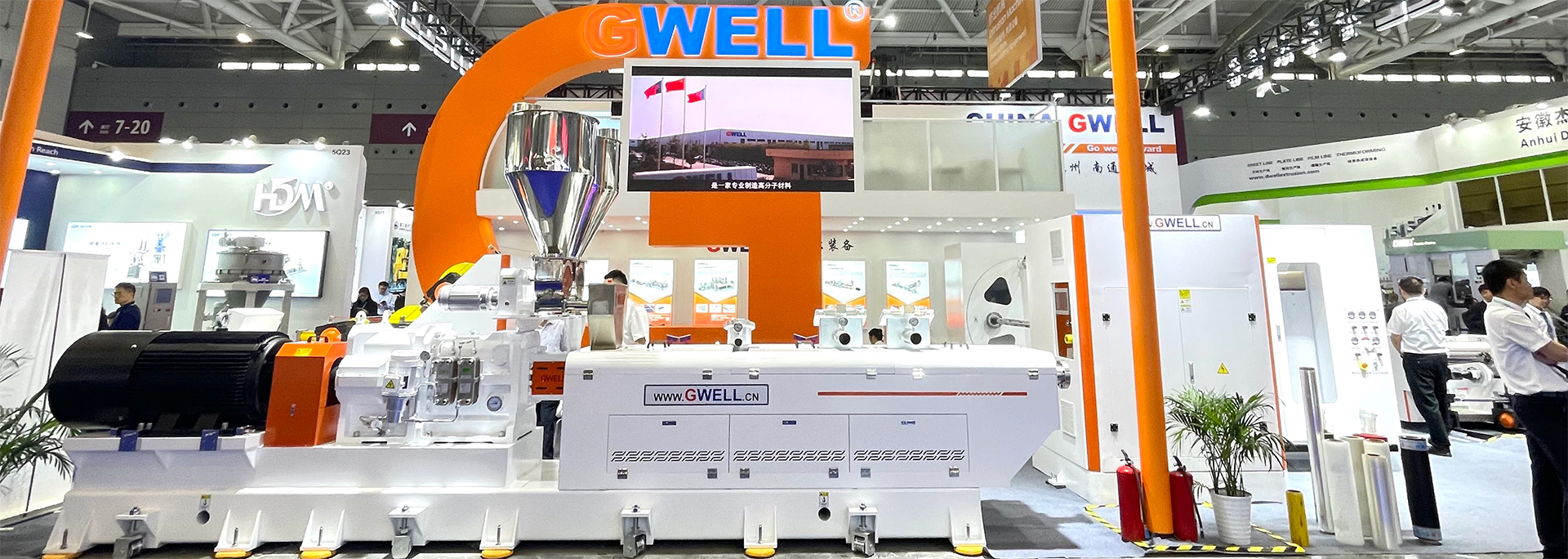
Calendering makes smooth sheets that are all the same thickness. These sheets are clear and look the same everywhere. Blow molding shapes hollow things like bottles. These things are strong and can bend without breaking. Cast extrusion makes flat films that look very clear. It also lets people control how thick the film is. Multi-layer co-extrusion puts different materials together. This helps protect what is inside and makes the product work better.
GWELL uses advanced machines in CPP Cast Film Production Lines. This helps them make many kinds of products for different needs.
Key Takeaways
Calendering makes smooth and clear sheets. The sheets have the same thickness everywhere. They are strong and clear. People use them for packaging and medical supplies.
Blow molding shapes things that are hollow, like bottles. This way is fast and does not cost much. Many people use it for different packaging needs.
Cast extrusion makes flat and shiny films. These films are strong and keep out water. They work well for food and medical packaging.
Multi-layer co-extrusion mixes different materials together. This gives better protection. It is good for packaging that must block air and water.
You pick the best way by looking at the film type, how much you need to make, and if the materials work together. Think about these things to get the right packaging.
1. Calendering
Process Steps
Calendering uses hot rollers to make thin sheets. Workers put melted polymer into the rollers. The rollers press and stretch the material. They also make the sheet smooth and flat. The rollers set how thick and shiny the sheet is. After rolling, the sheet cools down. Then it gets rolled up on a spool. This way, the film comes out even and the same every time. Many companies use calendering because it is exact and works well.
Product Properties
Calendered CPP films have some important features:
Tensile strength is between 80 and 120 MPa. This means the film is strong and does not tear easily.
Elongation at break is from 150% to 300%. The film can stretch a lot before it breaks, so it is tough.
Thickness is between 10 and 50 microns. Thin films are good for light packages. Thicker films stop sharp things from poking through.
Clarity is a big deal. The film is clear and shiny. This is good for packages where you need to see inside.
Heat sealability means you can seal the film with heat in many ways.
These features make calendered films a top pick for CPP Cast Film Production Lines.
Applications
Calendered CPP films are used in many fields. Their clear look and strength fit tough rules for packaging and medical things.
| Application | Performance Requirements |
| Packaging | Stays the same size, strong, clear |
| Medical supplies | Good for the earth, clear |
| Consumer goods | Strong, clear, works well |
People use calendered films for food packs, medical bags, and wraps for products. The film keeps things safe and lets people see what is inside. Calendering helps make lots of film fast and keeps the quality high.
2. Blow Molding
Process Steps
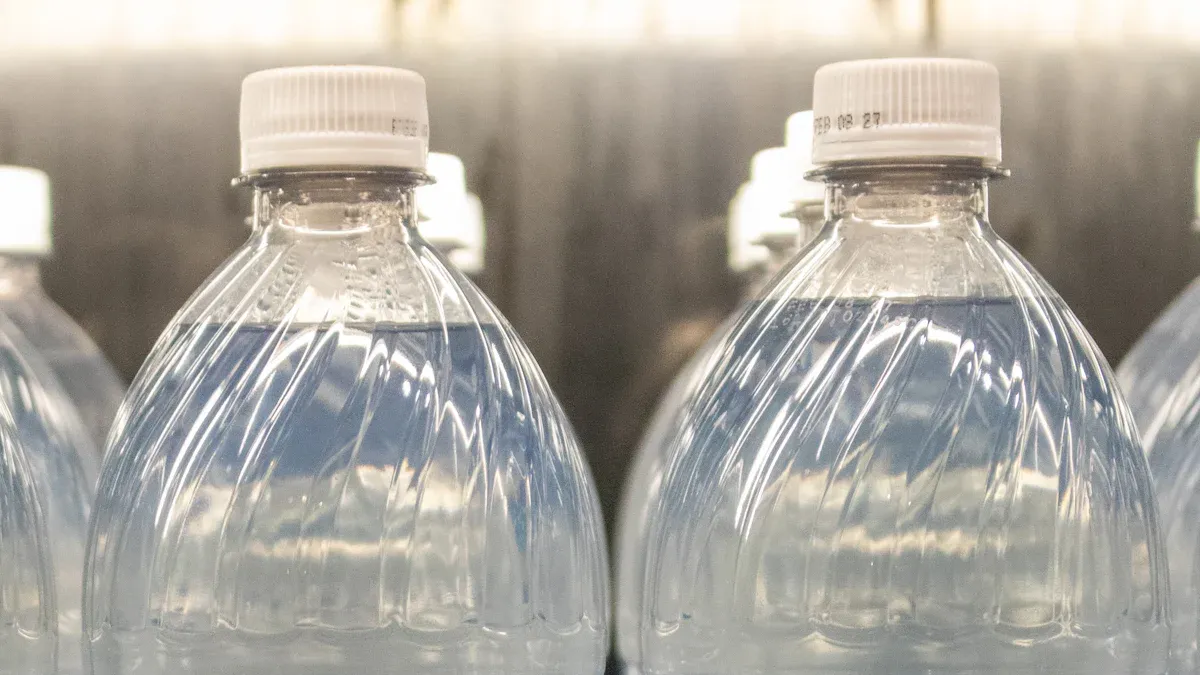
Blow molding turns CPP films into hollow or bag-like shapes. The process has a few main steps. First, a melted plastic tube called a parison is made. Next, the parison gets cut and clamped to the right size. Then, air is blown inside the parison. This makes it fill the mold and take its shape. After that, the product cools down so it stays in shape. Last, workers trim the edges to make them neat.
| Step | Description |
| 1 | Extrusion of a parison (hollow plastic pipe) |
| 2 | Clamping and cutting the parison |
| 3 | Blowing the parison into the mold cavity |
| 4 | Cooling the molded product |
| 5 | Trimming the finished product |
Blow molding works fast and makes many items quickly. The machines do not cost as much as other methods. There is not much wasted material, so it saves money. This is why many companies use this process for CPP Cast Film Production Lines.
Product Properties
Blow-molded CPP films have some special features. They look clear and shiny. The film keeps water out, so things inside stay safe. It can handle heat, so it works for hot food packs. The thickness is not as exact as cast extrusion, but the film is still strong and bends easily. The products are stiff but do not break when bent.
These features make blow-molded films good for many packages. They are different from cast film products, mostly in how clear and thick they are.
Applications
Blow-molded CPP films are used in many ways. People use them for:
Bags for clothes, knitwear, and flowers
Films for documents and photo albums
Food wraps for candy and snacks
Shiny films for barrier packs and decoration
Medicine packs like infusion bags
Replacing PVC in folders and albums
Tape and fake paper
Holders for business cards and ring folders
Materials for stand-up bags
Blow-molded CPP films are very clear, shiny, and keep out water. These traits help keep food fresh and safe. That is why many people pick them for packaging. Companies like CPP Cast Film Production Lines because they make strong and useful packaging films.
3. Cast Extrusion
Process Steps
Cast extrusion uses special machines to make flat, clear CPP films. First, the extruder melts and mixes polypropylene pellets. The screw inside gets hot and pushes the melted plastic forward. Next, the melted polymer goes through a flat die. The die shapes the film and keeps it the same thickness. Then, the film lands on a chill roll. The chill roll cools the film fast so it stays strong and clear. Special controllers watch the temperature of the extruder and chill roll. This stops problems like curling or cloudy spots. After that, other machines treat and finish the film. Corona treaters make the surface better. Winders and slitters cut and roll the film so it is easy to use. GWELL’s CPP Cast Film Production Lines use smart controls and exact temperature systems. These things help make good films for many jobs.
Product Properties
Cast-extruded CPP films have some important features:
They keep water out, so food stays dry and fresh.
They block some oxygen, which helps food last longer.
The films are very clear and shiny, so products look nice.
They do not get foggy, so you can see through them well.
The surface is flat and even, which makes the film strong and clear.
Tip: Cast extrusion makes films that look like glass and work well. These films are great for packages that need to protect and look good.
Applications
Cast-extruded CPP films are used in many ways:
Food and medical packaging: They are used for pouches, blister packs, and rolls. These films do not tear or poke easily and are safe for food and medicine.
Consumer goods packaging: They are good for things like shampoo, lotion, and soap. The clear film helps brands look fancy and prints well.
Industrial and protective uses: They protect screens, car parts, and machines. They are also used for labels, tape, and liners.
Retail and distribution: They are used for shopping bags, pallet wraps, shrink sleeves, and flow-wraps. Thin films help save materials.
Specialty uses: These include farm films, battery parts, films that break down, and smart packages.
GWELL’s CPP Cast Film Production Lines make strong and useful films for many kinds of packaging.
4. Multi-layer Co-extrusion
Process Steps
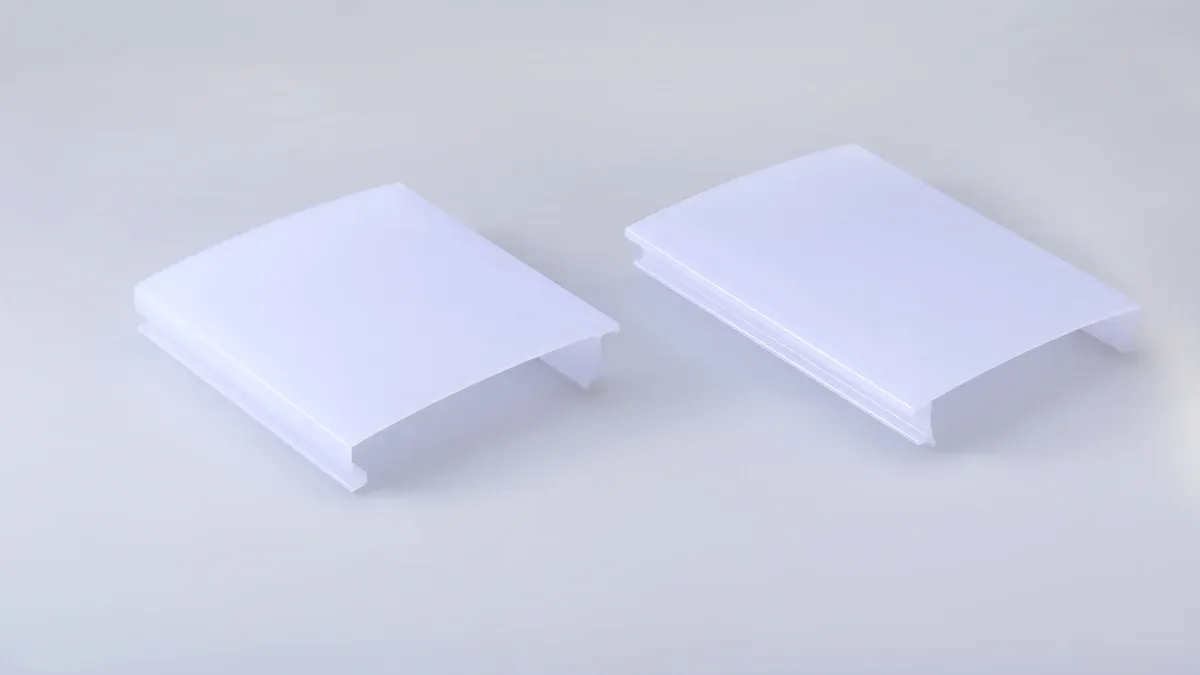
Multi-layer co-extrusion uses advanced machines to join different materials. This makes one CPP film with many layers. Usually, there are three or five layers. Each layer does something special. One layer can seal, another can make the film strong, and another can block air or water. The steps are:
Material Selection: Workers pick materials for each layer. Some layers are soft for sealing. Others are stiff for strength.
Material Feeding: Workers put pellets in hoppers. Special feeders measure the right amount for each layer.
Heating and Melting: Each extruder heats and melts the pellets. The screw mixes the material until it is smooth.
Layering and Die Formation: Melted materials meet in a feedblock or die. This makes the layers into a flat sheet.
Cooling: The film moves over a cold roll. This cools the film fast and keeps it flat.
Roll Collecting: The finished film winds onto rolls. Tension controls keep the film smooth and without wrinkles.
Modern CPP Cast Film Production Lines use smart controls. These controls help keep each layer the right thickness and quality.
Product Properties
Multi-layer co-extruded CPP films have special features:
| Property | Description |
| Barrier Strength | Stops water, air, and smells from getting through |
| Clarity | Looks clear and shiny |
| Heat Sealability | Seals well at low heat |
| Strength | Does not tear or stretch easily |
| Custom Layers | Each layer does a different job |
Operators can change the layers to fit what the product needs. This makes the film good for many kinds of packaging.
Applications
Multi-layer co-extruded CPP films are used in many industries:
Packaging for processed food and bakery items
Cosmetics and beauty products
Medical and pharmaceutical packaging like pouches and liners
Candy and confectionery wraps
Stationery and office supplies
Bags for clothes and apparel
DVD cases and media packaging
Flower wraps
Multi-layer co-extrusion gives each package the right mix of strength, clarity, and protection. This process helps companies follow strict safety and quality rules.
5. Comparison Table
Process Overview
Every method uses its own machines and steps. The table below shows the main steps and features for each method.
| Method | Main Steps | Typical Output Rate | Capital Investment | Automation & Control Features |
| Calendering | Melting, rolling, cooling, winding | High (millions of dollars) | High | Precise thickness control, advanced rollers |
| Blow Molding | Extruding parison, blowing, cooling, trimming | ~500 kg/h | Moderate | Basic controls, less automation |
| Cast Extrusion | Melting, flat die extrusion, chill roll cooling, winding | >500 m/min, 100–1200 kg/h | Moderate to high | Automatic thickness, chill roll, turret winder |
| Multi-layer Co-extrusion | Multiple extruders, layer combining, flat die, chill roll, winding | Similar to cast extrusion | High | Multi-layer control, advanced automation |
Blown film extrusion lines can make about 500 kg every hour.
Cast film extrusion can run faster than 500 meters each minute.
Twin-screw extruders in cast and multi-layer lines can make up to 1200 kg per hour.
Calendering lines need a lot of money because the rollers are very exact.
Product Comparison
The next table shows the main product features and uses for each process.
| Method | Thickness Range | Clarity | Strength | Barrier Properties | Typical Applications |
| Calendering | 10–50 microns | High | High | Moderate | Food packaging, medical, consumer goods |
| Blow Molding | Variable | Moderate | Good, flexible | Moderate | Bags, pouches, folders, flexible packs |
| Cast Extrusion | 15–80 microns | Very high | Good | Good (water, oxygen) | Food, medical, industrial, retail wraps |
| Multi-layer Co-extrusion | 20–100 microns | High | Very high | Excellent (customized) | Barrier films, pharma, cosmetics, specialty |
Professional Tip: Modern CPP Cast Film Production Lines use smart T-die systems, automatic thickness control, and fast winders. These features help make better film, increase output, and cut down waste.
6. Process Selection for CPP Cast Film Production Lines
Selection Criteria
Picking the right process for a CPP Cast Film Production Line means looking at a few big things. People need to think about what kind of film they want, how much they need to make, and if the machine works with their materials. The table below shows what to check:
| Criteria | Description |
| Film Requirements | Pick the film type and quality for how it will be used. |
| Production Capacity Needs | Make sure the machine can make enough film for your needs. |
| Material Compatibility | Check if the machine works with the plastics and extras you want to use. |
Manufacturers should also:
Decide what the film will be used for, like snack bags or medical packs.
Know the temperature and how the film will be cleaned, like hot-fill or retort.
Set how much air and water the film should block.
Look at the packing line, like how hot and fast it seals.
Think about the environment and if the film can be recycled, using one main material if possible.
Application Matching
Different jobs need different films from a CPP film extrusion line or multi-layer coextrusion cast film line. Here are steps to help pick the right process:
Decide what the film will be used for, like snack bags or medical packs.
Know the temperature and cleaning method to pick standard CPP, retort CPP, or high-heat films.
Set how much air, water, or light the film should block for shelf life.
Check the packing line to match film features like stickiness and slipperiness.
Think about the environment by picking films that can be recycled or use just one material.
For example, food packs often use clear CPP from a CPE film extrusion line. Medical packs may need multi-layer films that block more air and water from a CPP multi-layer film extrusion line.
GWELL Recommendations
GWELL’s team helps people pick the best process. They help customers figure out what they need, match the film to the job, and use smart machines. GWELL says to use a CPP Cast Film Production Line for clear and strong film, a CPP film extrusion line for flexible packs, and a multi-layer coextrusion cast film line for packs that need to block air and water. Their machines work for food, medical, and factory packaging.
Every production method has its own good points. Calendering makes sheets that are smooth and clear. Blow molding forms hollow things that can bend. Cast extrusion gives flat films that are shiny and just the right thickness. Multi-layer co-extrusion puts layers together for strong protection. If you need to choose fast, think about these things:
What kind of film you need
How much film you want to make
How much the machines do by themselves
How much money you can spend
Help and support after you buy
How easy the machines are to use
GWELL is a company people trust. They have advanced CPP Cast Film Production Lines for many packaging jobs.
FAQ
What is the main difference between calendering and cast extrusion?
Calendering uses rollers to make smooth sheets. Cast extrusion uses a flat die and a chill roll to make clear films. Both ways make strong products. Cast extrusion gives better control of thickness and how clear the film is.
Which process suits high-barrier packaging needs?
Multi-layer coextrusion cast film lines join many layers together. Each layer helps protect what is inside. This process makes films that block water, air, and smells very well. These films are used for food, medical, and special packaging. CPP multi-layer film extrusion line lets people pick what they need.
Can CPP Cast Film Production Lines handle both single-layer and multi-layer films?
CPP Cast Film Production Lines can make single-layer films for simple packaging. They also make multi-layer films for better protection. CPP film extrusion line and multi-layer coextrusion cast film line give many choices.
How does blow molding differ from cast extrusion in product shape?
Blow molding makes hollow things like bottles and pouches. Cast extrusion makes flat films and sheets. CPE film extrusion line makes flat films. Blow molding shapes soft containers.
What industries use CPP films from these production lines?
CPP films are used for food, medical, cosmetics, and industrial packaging. CPP Cast Film Production Lines give good solutions for many jobs. Companies pick these lines because the films are clear, strong, and block air and water well.
