
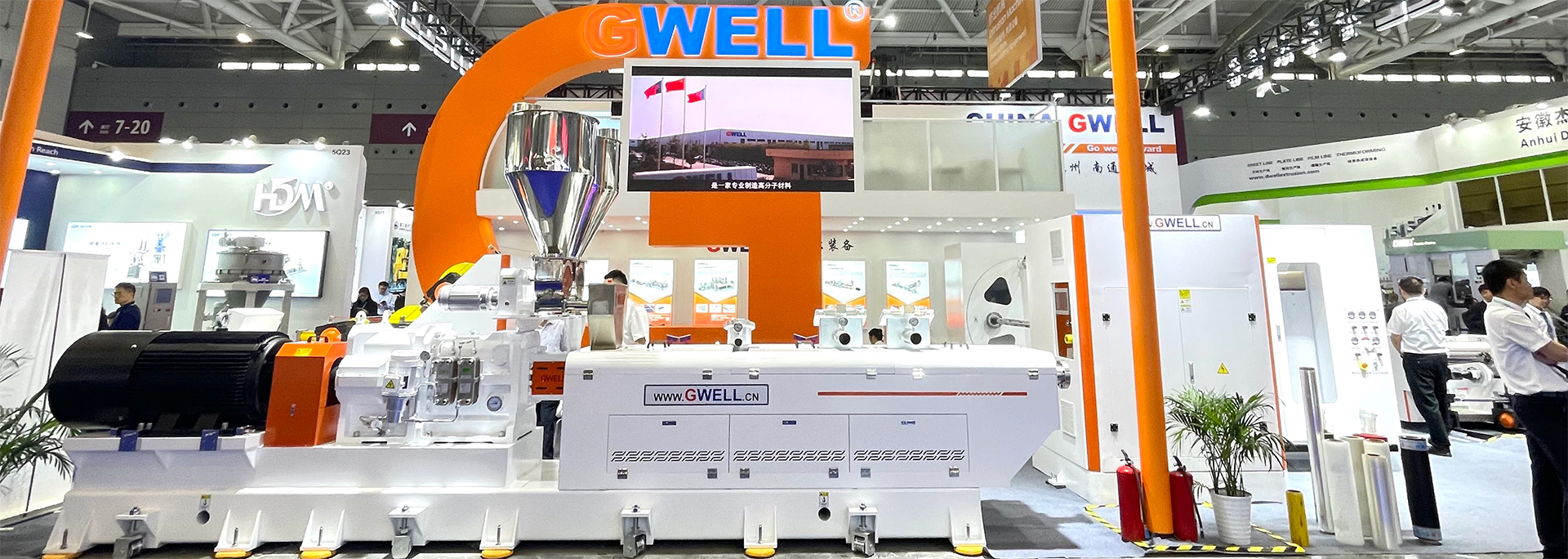
A sheet extrusion line is a special system. It makes flat plastic sheets for many industries. This equipment helps make sheets that are always the same and very good quality. These sheets must meet strict rules. These lines help factories work faster and change things easily.
The world market size for sheet extrusion lines was 2,838.9 million USD in 2024.
Experts think it will grow to 2,961 million USD in 2025.
The market could reach 4,500 million USD by 2035, with a 4.3% CAGR.
You will fin out about the main parts, how the process works, where people use these sheets, and the good things these systems give.
Key Takeaways
A sheet extrusion line changes plastic pellets into flat sheets. It keeps the quality and speed steady.
The process uses important parts like the extruder, screen changer, and gear pump. Each part helps make good sheets.
There are different extruders, like single-screw and twin-screw. They work with many materials and sheet types.
Sheet extrusion lines can make sheets for packaging, building, cars, and things people use every day.
You can change the thickness, width, color, and surface of the sheets. This helps meet special product needs.
Good cooling and trimming are needed to keep sheets nice and cut down on waste.
More people want sheet extrusion lines now, so the market is getting bigger in many fields.
New technology in sheet extrusion lines can make them faster. It can also save energy and make better products.
1. Sheet Extrusion Line Overview
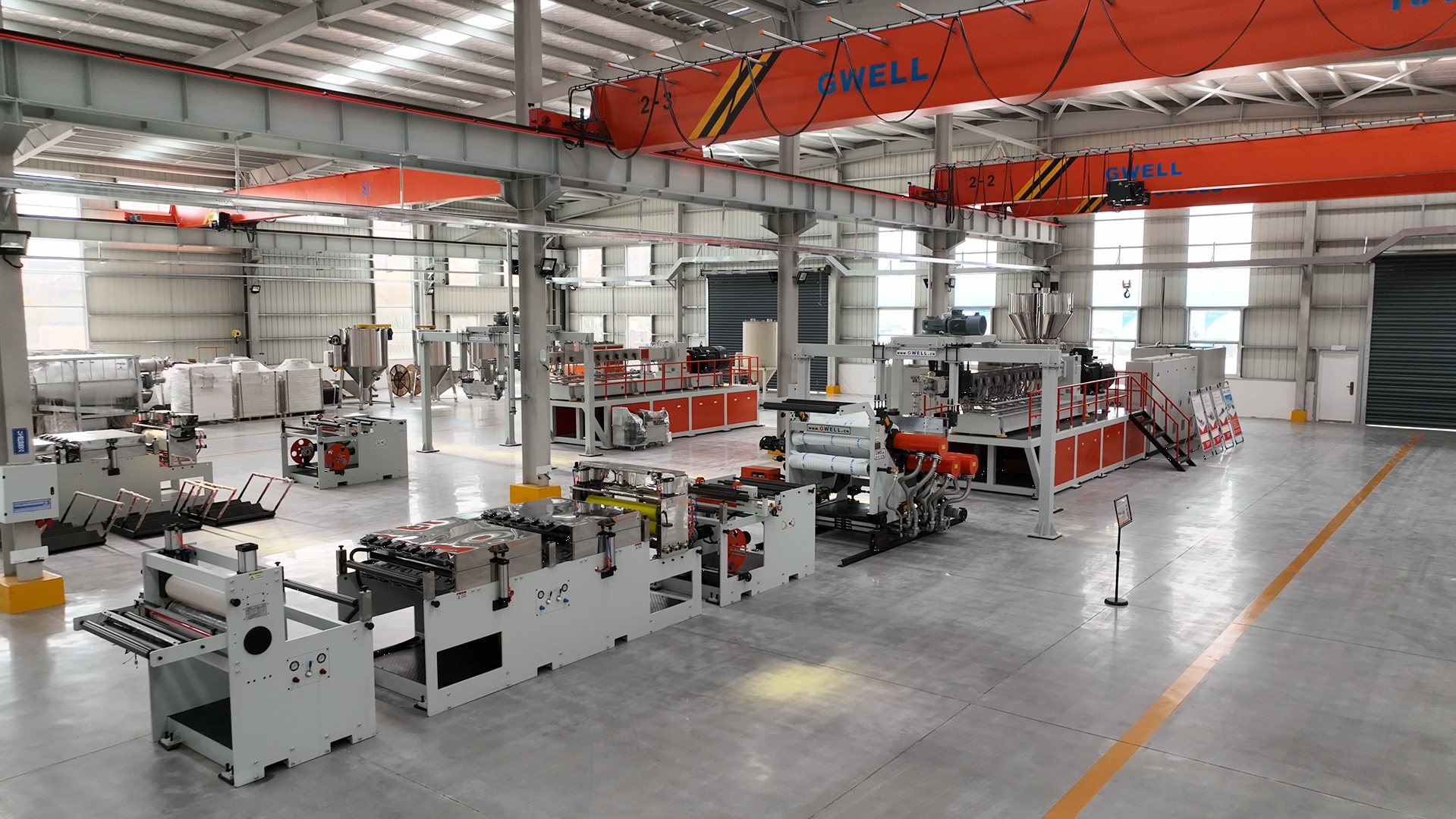
Definition
A sheet extrusion line lets you make flat plastic sheets and films. This system changes raw plastic pellets into smooth, even sheets. The main goal is to give you sheets that have the right thickness and good quality.
Continuous Process
A sheet extrusion line gives you a steady stream of material. The process keeps running, so you can make lots of sheets fast. You do not have to wait long, so you can make more products in less time.
Consistent Quality
You want every sheet to be the same. The sheet extrusion line uses special parts to keep the quality high. The extruder heats and pushes the plastic. The screen changer takes out dirt and keeps the flow clean. The gear pump controls pressure and keeps the output even. The static mixer blends the plastic so it melts well. The coextrusion feedblock puts layers together if you need multi-layer sheets.
Here’s a quick look at what each part does:
| Component | Function |
| Extruder | Heats and moves the polymer, making it ready for the next step. |
| Screen Changer | Takes out dirt from melted polymer to keep things running. |
| Gear Pump | Gives the right amount of output and keeps pressure steady. |
| Static Mixer | Mixes the polymer so it melts the same way before the die. |
| Coextrusion Feedblock | Puts together flows from more than one extruder to make even layers in the final sheet. |
Types
You can pick different types of sheet extrusion lines for your needs. Each type works best for certain materials and products.
Single vs. Twin Screw
Single-screw extruder: You use this for things like polyethylene (PE), polypropylene (PP), or PET. It is good for simple sheets and films.
Twin-screw extruder: You use this for PVC or when you need to mix in other things. It mixes better and is good for more complex sheets.
Sheet extrusion lines can make very thin sheets or thick ones. Some lines are made just for roofing panels with special shapes.
Common Materials
You have many choices for what material to use. Each one has its own special features.
Polyethylene (PE): It is light and does not let water or chemicals in. You see it in packaging films and strong products.
Polyvinyl Chloride (PVC): It can be hard or bendy. It stands up to weather and is used in window frames and pipes.
Polypropylene (PP): It melts at a high temperature, is light, and can be recycled. You find it in car parts and food packaging.
Sheet extrusion lines help you make trays for packaging, car panels, signs, and building parts. You can also use them for thin films that need to be just the right thickness.
In a sheet extrusion line, T-shaped and coat hanger dies shape the melted plastic into a flat sheet. This keeps the flow even and helps you get perfect sheets every time.
2. Main Components
When you look at a sheet extrusion line, you see several key parts working together. Each one has a special job. Let’s break them down so you know what makes this system run smoothly.
Extruder
The extruder is the heart of your sheet extrusion line. It melts and pushes the plastic forward so you get a steady flow. You can choose between two main types.
Single and Twin Screw
Single Screw Extruder
This type works best for simple jobs. You use it for basic plastics and when you don’t need to mix in lots of extras. It’s easy to run and costs less.Twin Screw Extruder
This one handles more complex tasks. You can mix in color, fillers, or other materials. It gives you more control and works faster.
Here’s a quick comparison to help you decide:
| Specification | Single Screw Extruder | Twin Screw Extruder |
| Processing Capabilities | Good for basic plastics | Great for mixing and advanced materials |
| Throughput & Efficiency | Lower speed, fits smaller jobs | Higher speed, fits bigger jobs |
| Flexibility | Simple and less flexible | Very flexible, easy to adjust for new products |
Screen Changer and Gear Pump
Screen Changer
This part catches dirt or lumps in the melted plastic. You get clean, smooth sheets every time.Gear Pump
The gear pump keeps the flow steady. It controls pressure so your sheets come out even and strong.
Tip: When you use smart controls, like TSM’s Opti-Yield SLIW Extruder Control, you get better quality and less waste. These systems help you save energy and make your sheet extrusion line more efficient.
Static Mixer
You want every part of your sheet to look and feel the same. The static mixer helps with that. It blends the melted plastic and any additives before the plastic leaves the extruder. This means your color and fillers spread out evenly.
| What the Static Mixer Does | Why It Matters for You |
| Mixes plastic and extras | No streaks or uneven spots |
| Uses special mixing shapes | Better blending, less waste |
| Works without moving parts | Simple and reliable |
Flat Die
The flat die shapes your melted plastic into a wide, flat sheet. It decides how thick and how wide your sheet will be. You can adjust the die to get the size you want. The flat die makes sure the plastic spreads out evenly, so you get a smooth finish.
When you use a good flat die, you get sheets that are the same thickness from edge to edge. This is important if you want to use the sheets for packaging, building, or other products that need exact sizes.
Calendar Rollers
When you use a sheet extrusion line, calendar rollers play a huge role in shaping your final product. These rollers press the hot, melted plastic into a flat sheet. You can control the thickness and surface finish by adjusting the gap and temperature of the rollers. If you want a glossy or matte finish, you just change the roller surface or temperature.
Here’s a quick table to show how calendar rollers affect your sheet:
| Aspect | Explanation |
| Thickness Control | You set the gap between rollers to get the exact thickness you want. |
| Surface Finish | Rollers give your sheet a smooth, even finish—no bumps or rough spots. |
| Temperature & Pressure | Keeping the right heat and pressure means your sheet stays the same size and looks great. |
| Bank Marks | You can avoid rough marks by using the right speed and temperature for the rollers. |
| Precision Manufacturing | High-quality rollers make sure your sheet comes out perfect every time. |
Cooling System
After the sheet leaves the calendar rollers, it needs to cool down fast. The cooling system in your sheet extrusion line makes sure the sheet keeps its shape and quality. You can pick from different cooling methods, each with its own benefits.
| Cooling System | How It Works | Best For | Main Advantages | Main Limitations |
| Water Bath Cooling | Sheet goes through a water tank for quick cooling | Thick sheets, high-heat plastics | Strong cooling, low cost | May leave water marks, needs drying |
| Air Cooling | Blows air over the sheet, no contact | Thin sheets, clean surfaces | No marks, simple, clean | Slower, not for thick sheets |
| Roll Cooling | Sheet passes between chilled rollers | High-clarity, precise sheets | Best finish, stable thickness, fast | Higher cost, more maintenance |
Trimming and Winder
Once your sheet cools, you need to trim the edges and wind it up for storage or shipping. The trimming and winder section of your sheet extrusion line uses smart technology to make sure every sheet is the right size and shape.
Here are some top features you might find:
| Technology Name | Key Features |
| Super "T" Winder | Cuts down on waste, makes big rolls, uses controlled winding. |
| Zero Speed Accumulator Winding Series | Handles heavy sheets, works with manual or automatic setups. |
| Accuflyte Slitter Rewind Systems | Gives you perfect cuts, supports large rolls, keeps every roll the same. |
| Advanced Technology Surface Winder | Stops speed problems, uses smart tension for top-quality rolls. |
| Surfastart Winders | Makes big rolls, uses precision controls, easy handling. |
Tip: If you want the best results, always check your trimming blades and winding tension. This keeps your sheet extrusion line running smoothly and your products looking their best.
3. Sheet Extrusion Line Process
When you use a sheet extrusion line, you follow a clear step-by-step process. Each stage helps you turn raw plastic pellets into smooth, flat sheets. Let’s walk through the first three steps together.
Feeding and Melting
Feed the Material
You start by loading plastic pellets or granules into the hopper. The hopper sits at the top of the extruder and feeds the material into the screw.Melt the Plastic
The screw inside the extruder pulls the pellets forward. As the screw turns, it pushes the plastic through heated zones. The plastic melts from the heat and the friction. This melting process is important because it gives you the right flow and temperature for the next steps.
Tip: The energy for melting comes from both the heaters and the turning screw. This helps you get a smooth, even melt every time.
Mixing and Extruding
Mix the Melt
After melting, the plastic moves through a screen changer. This part removes any dirt or lumps. Next, a gear pump keeps the pressure and flow steady. Then, the melt passes through a static mixer. The mixer blends the plastic and any additives, like color or fillers. Good mixing means your sheet will look and feel the same everywhere.Push the Melt Forward
The extruder pushes the melted and mixed plastic toward the die. The die shapes the plastic into a flat sheet. The way you mix and extrude the plastic affects how strong and flexible your sheet will be.
| Mixing Factor | What It Means for Your Sheet |
| Mixing Temperature | Changes how tough or stretchy it is |
| Additive Dispersion | Makes color and texture even |
| Pressure Control | Keeps thickness the same everywhere |
Shaping and Calendering
Shape the Sheet
The melted plastic leaves the die as a wide, flat ribbon. Now, it enters the calender rollers. These rollers press the plastic and set the thickness.Calender for Precision
You can adjust the gap between the rollers to get the exact thickness you want. The rollers also control the surface finish. Want a glossy sheet? Use smooth, hot rollers. Prefer a matte look? Choose textured rollers.
Calendering gives you sheets with thickness accuracy as tight as ±0.005 mm.
You can use sensors and automatic controls to keep the thickness perfect from edge to edge.
Roll temperature and speed matter. They help you avoid bumps or uneven spots.
Note: The calendering step is where you lock in the final look and feel of your sheet. Careful control here means fewer problems later.
By following these steps, you make sure your sheet extrusion line gives you high-quality, uniform sheets every time.
Cooling and Trimming
After you shape your sheet, the next step in your sheet extrusion line is cooling and trimming. This stage is where you lock in the quality and appearance of your plastic sheet. If you want to avoid warping, bubbles, or rough edges, you need to pay close attention here.
Best Practices for Cooling and Trimming:
Always check that your cooling and heating systems work properly in the die zones. If you keep these systems in top shape, you get sheets with fewer defects.
Watch the temperature at every stage. If you see big changes, adjust your settings right away. This helps you control the flow and thickness of your sheet.
Adjust the die and roller openings as needed. Small tweaks can make a big difference in the final thickness and smoothness.
Keep a close eye on temperature regulation from the start of the process all the way to cooling and cutting. This helps you avoid surprises and keeps your sheet extrusion line running smoothly.
Monitor the temperature during feeding, melting, shaping, and cooling. This gives you the best results and helps you spot problems early.
Tip: If you want to minimize defects, always check your cooling system and trimming blades before you start a new run.
When your sheet leaves the calendar rollers, it moves through a cooling system. You might use chilled rollers, air blowers, or water baths. Each method has its own benefits. Chilled rollers give you a smooth finish and help keep the thickness even. Air cooling works well for thin sheets and keeps the surface clean. Water baths cool thick sheets quickly but may need extra drying.
Once the sheet cools, you trim the edges. Trimming removes any rough or uneven parts. Most sheet extrusion lines use sharp blades or rotary cutters. Some lines have automatic edge trim systems that collect and recycle the scrap right away. This keeps your workspace clean and saves material.
Why Cooling and Trimming Matter in Your Sheet Extrusion Line:
You get sheets with the right thickness and no warping.
Your edges stay straight and smooth, ready for the next step.
You reduce waste and save money by recycling trimmed edges.
You keep your sheet extrusion line running fast and efficiently.
If you follow these steps, you will see fewer defects and better quality in every sheet you make. Cooling and trimming may seem simple, but they play a huge role in the success of your sheet extrusion line.
4. Applications
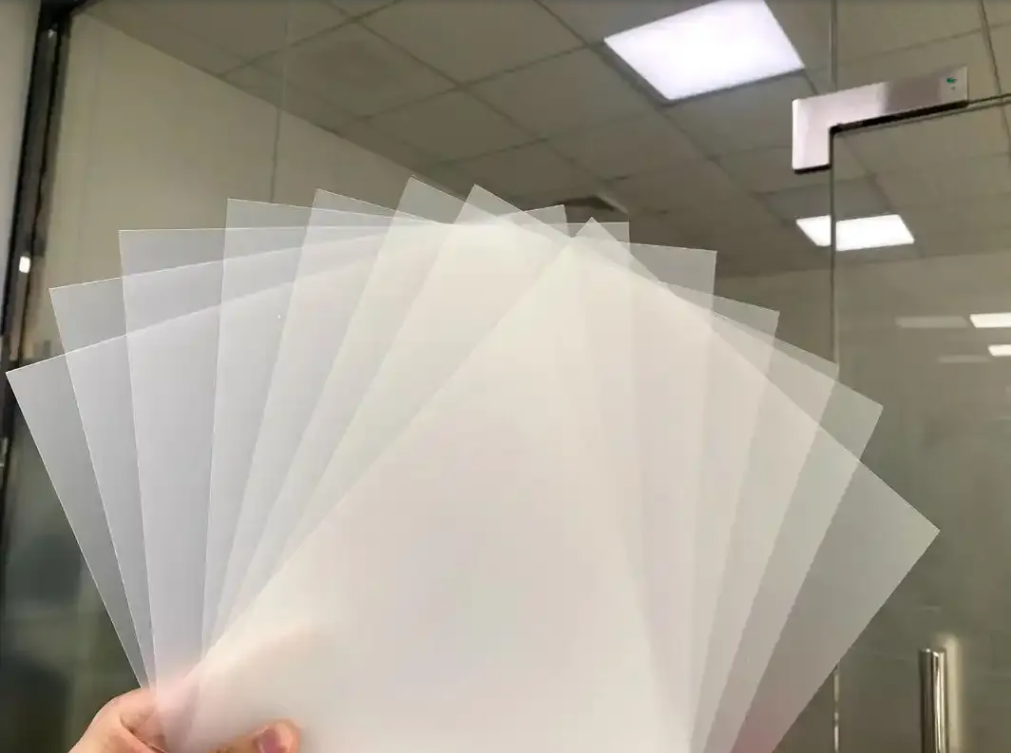
Packaging
Sheet extrusion lines play a huge role in the packaging world. You see their results every day, from food trays to clear covers on products. These lines help you create the base material for trays, containers, and lids. You can use plastics like PET, PP, and PS. These materials are safe for food and keep products fresh.
Food and Blister Packs
When you open a pack of cookies or see medicine in a clear plastic shell, you’re looking at products made with a sheet extrusion line. Here’s how these sheets help:
Food Trays: You get sturdy, lightweight trays that protect snacks and ready meals.
Blister Packs: These keep pills safe and easy to see. The clear plastic lets you check the product without opening it.
Lids and Covers: You can seal food containers tightly, keeping everything fresh.
Tip: Using the right plastic means your food stays safe and your packaging looks great on store shelves.
Construction
You might not realize it, but many buildings use plastic sheets made by sheet extrusion lines. These sheets show up in wall cladding, waterproof layers, and roofing systems. Builders like them because they are strong, light, and last a long time.
Wall and Roofing Panels
Let’s look at some ways you see these sheets in construction:
Rigid PVC sheets and corrugated panels make roofs for factories, warehouses, and homes. They are light but tough.
PVC corrugated sheets work well for farm buildings. They don’t rust and handle bad weather.
ASA/PVC tiles are perfect for sunny places. They resist UV rays and keep their color.
Twin-wall PVC panels cover big roofs in sports centers and greenhouses. They insulate well and save energy.
The use of sheet extrusion lines in construction has changed how you build. These plastic sheets make buildings look better and last longer. They also help save energy and lower costs.
Automotive
Car makers use plastic sheets for many parts inside your car. Sheet extrusion lines help you get the right size and thickness for each part. You can use materials like polypropylene and ABS for strength and style.
Interior Panels
Here’s how these sheets help in cars:
You find them in dashboards, door panels, and floor mats.
Companies now make their own sheets in-house, so they get exactly what they need.
The sheets support different machines that shape them into finished car parts.
Note: Using sheet extrusion lines means car interiors stay light, strong, and easy to clean.
| Industry | Applications |
| Packaging | Trays, containers, lids, and blister packs |
| Construction | Wall cladding, waterproof membranes, roofing panels |
| Automotive | Interior panels, dashboards, floor mats |
| Consumer Goods | Signage, furniture, appliances |
Consumer Goods
You probably use products made from a sheet extrusion line every day, even if you don’t realize it. These lines help you create all sorts of consumer goods, especially stationery and household items. Let’s look at how this works.
Stationery, Household Items
A sheet extrusion line lets you make plastic sheets that turn into things like folders, binders, and storage boxes. You can also find these sheets in desk organizers, rulers, and even some kitchen containers. Here’s how the process helps you:
You can use polypropylene (PP) sheets for stationery. These sheets are lightweight and have a bright, smooth surface. They make your folders and covers look sharp and last longer.
Polystyrene (PS) sheets are another choice. These are more eco-friendly and work well for packaging and other household goods.
The sheet extrusion line lets you pick the thickness and width you need. You can get sheets as thin as 0.15 mm or as thick as 2.0 mm. The width can range from 600 mm up to 1500 mm.
You can produce a lot of sheets quickly. Some lines make up to 1200 kg of sheets every hour.
Here’s a quick list of what you can make with these sheets:
Plastic folders and binders
Drawer organizers
Storage bins
Rulers and desk trays
Food containers and trays
Tip: When you use a sheet extrusion line, you can customize the color, thickness, and size of your products. This means you get exactly what you want for your home or office.
Thermoforming
A sheet extrusion line does more than just make flat sheets. You can take those sheets and turn them into all kinds of shapes using a process called thermoforming. Here’s how it works:
You start with a plastic sheet made by the sheet extrusion line.
A thermoforming machine heats the sheet until it gets soft and bendy.
The machine stretches the hot sheet over a mold. The mold can be simple or very detailed, depending on what you need.
The sheet cools down while it’s on the mold. This locks in the new shape.
You trim and cut the finished product to size.
You can use thermoforming to make:
Food trays and clamshell packaging
Disposable cups and plates
Custom containers for tools or electronics
Packaging inserts that hold products in place
Note: Thermoforming lets you turn a simple sheet into almost any shape you want. When you combine a sheet extrusion line with thermoforming, you get endless options for new products.
5. Advantages
Efficiency
A sheet extrusion line helps your factory work quickly and easily. You can make more sheets in less time. This system uses less energy and fewer materials. You get steady results and do not stop often. Here is how it compares to other ways:
| Advantage | Description |
| Material Versatility | You can use many plastics and some metals, so you always get the right sheet for your job. |
| Cost-Effectiveness | You spend less on tools, make more sheets each hour, and waste less material. |
| Energy Efficiency | You use less power than with other ways, so you save money and help the environment. |
Tip: With a sheet extrusion line, you make sheets fast and use less energy. This means you can earn more money.
Versatility
A sheet extrusion line works for many jobs. You can make sheets for food trays or car parts. Here are some ways you can use it:
Packaging – for food boxes, trays, and wraps
Construction – for wall panels and covers
Advertising – for signs and display boards
Electronics – for covers and parts
You can change materials and thicknesses easily. New technology lets you add colors, layers, or special coatings. This helps you meet new needs fast. No matter what industry you are in, your sheet extrusion line can keep up.
Note: You can make your sheets just how you want. That is why many businesses use this process.
Cost-Effectiveness
A sheet extrusion line helps you save money in many ways. You spend less on tools and materials. You also use less energy, so your bills go down. Here is how you win:
Some governments give rewards for using machines that save energy, especially in the EU and North America.
If you use an energy-saving system, you can lower your costs by up to 20%. This means you keep more money.
More people want packaging, building, and car products. This means more companies buy automatic extrusion lines, which make more sheets and need fewer workers.
You follow safety and environmental rules, so you avoid fines and keep your business safe.
Callout: Picking a sheet extrusion line is a smart choice. You save money every time you make a sheet.
Consistent Quality
You want every sheet to look and feel the same. A sheet extrusion line helps you get that perfect, repeatable quality. Here’s how you can count on consistent results every time:
Precise Controls: You set the temperature, speed, and pressure. The machine keeps these settings steady, so your sheets always match.
Advanced Sensors: The sheet extrusion line uses sensors to check thickness and surface finish. If something changes, the system fixes it right away.
Automatic Adjustments: You don’t have to guess. The line makes small changes on its own to keep everything on track.
Uniform Mixing: The static mixer and gear pump blend your materials evenly. You get the same color and texture from start to finish.
Tip: When you use a sheet extrusion line, you spend less time checking for mistakes. The system does the hard work for you.
Here’s a quick table to show what helps you get consistent quality:
| Feature | How It Helps You |
| Temperature Control | Keeps melting and shaping steady |
| Pressure Regulation | Stops bubbles and weak spots |
| Thickness Monitoring | Makes sure every sheet is the same |
| Clean Material Flow | Removes dirt and lumps |
| Automated Feedback | Fixes problems before you see them |
You can trust a sheet extrusion line to deliver the same high standards, batch after batch. This means you waste less material and save money. Your customers will notice the difference, too. They get products that always meet their needs.
Customization
You don’t have to settle for one-size-fits-all. A sheet extrusion line lets you make sheets just the way you want them. You can change the process to fit your project or customer requests.
Here’s what you can customize:
Thickness: You pick how thick or thin you want your sheet. Just adjust the rollers or die.
Width: You set the width to match your product, from narrow strips to wide panels.
Color: Add color masterbatch or pigments. You get bright, even colors every time.
Surface Finish: Choose glossy, matte, or textured surfaces. Change the roller or die to get the look you want.
Layers: Make single-layer or multi-layer sheets. You can add special layers for strength, UV protection, or barrier properties.
Note: If you need a special feature, like anti-static or flame resistance, you can add it during extrusion. The sheet extrusion line handles it with ease.
Here’s a list of ways you can use customization:
Make food packaging with a clear top and colored bottom.
Create roofing sheets with UV protection for sunny climates.
Produce car panels with a textured finish for better grip.
Design stationery in custom colors for schools or offices.
A sheet extrusion line gives you the power to meet any challenge. You can switch between products quickly. You can test new ideas without stopping production for long. This flexibility helps you stay ahead in your industry.
You now know what a sheet extrusion line does and why it matters.
You learned about the main parts, how the process works, and where you see these sheets every day.
You can spot the benefits, like efficiency and customization, in many products around you.
Next time you use a plastic tray or see a car panel, remember the role of a sheet extrusion line.
FAQ
What is a sheet extrusion line?
A sheet extrusion line is a machine system that helps you turn plastic pellets into flat sheets. You use these sheets for packaging, building, and many other products.
How do you choose the right sheet extrusion line?
You look at what material you want to use, how thick you want your sheets, and how fast you need to make them. Think about your product’s size and quality needs.
What materials can you use in a sheet extrusion line?
You can use plastics like polyethylene (PE), polypropylene (PP), polyvinyl chloride (PVC), and polystyrene (PS). Each material gives your sheet different features, like strength or flexibility.
How do you keep sheet quality high?
You set the right temperature, pressure, and speed on your sheet extrusion line. You also use sensors and automatic controls to check thickness and surface finish.
Can you make colored or multi-layer sheets?
Yes! You add color masterbatch or pigments for bright sheets. You can also use a coextrusion feedblock to make multi-layer sheets with special features, like UV protection.
What are common problems with sheet extrusion lines?
You might see uneven thickness, bubbles, or rough edges. You fix these by checking your cooling system, trimming blades, and machine settings often.
How do you maintain a sheet extrusion line?
You clean the extruder, check the rollers, and replace worn parts. Regular checks help you avoid breakdowns and keep your sheet extrusion line running smoothly.
