
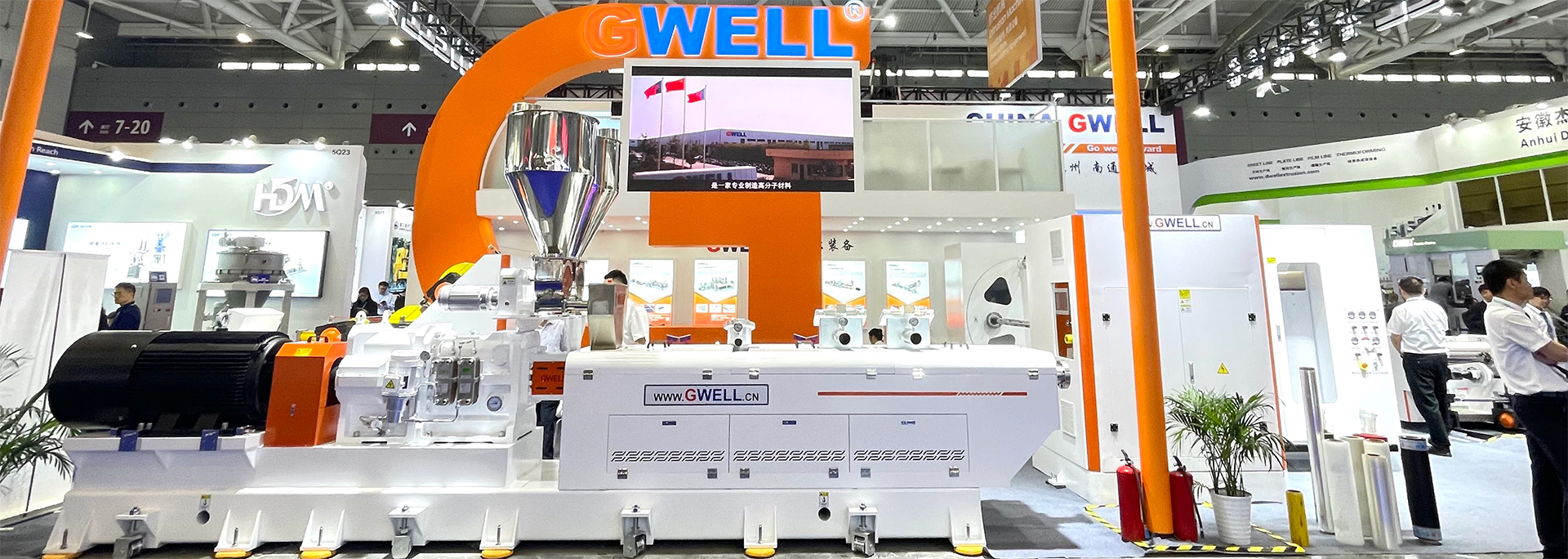
An extrusion line makes long shapes like pipes, sheets, or films. It does this by pushing raw materials through a mold. You see things made this way all around you, like plastic tubes and packaging.
In 2024, factories made more than 142 million metric tons of extruded plastics.
Asia-Pacific made about 71 million metric tons.
North America made almost 29 million metric tons.
Europe made around 25 million metric tons.
Key Takeaways
An extrusion line changes raw materials into long shapes like pipes, sheets, and films by melting and shaping plastic.
The extrusion process has many steps: preparing materials, melting, shaping, cooling, and cutting to make sure products are good quality.
Extrusion lines can make many different things for industries like construction, packaging, and automotive.
Important parts of an extrusion line are the hopper, barrel, die, cooling system, and control panel, and each part helps with making products.
Quality control is very important; the right temperature and speed help keep product quality the same and stop mistakes.
Different ways to cool, like water bath and air cooling, change how strong the product is and how the surface looks.
Extrusion lines save money because they use machines to work faster and better, and they are also good for the environment.
You can change the size and shape of products easily by changing the die and settings on the extrusion line.
Extrusion Line Function
Main Purpose
An extrusion line helps change raw materials into useful shapes. Its job is to melt plastic, push it through a mold, and cool it down. This makes products with the right size and features. The process is fast and makes long things like pipes and sheets. The quality stays the same for each item.
The main job of an extrusion line is to melt plastic, shape it, and cool it. This gives the product the right size and features.
When you use an extrusion line, you make sure the material moves well. You also check that the product is what you want. You can change the machine to make different shapes and sizes.
How It Works
You follow steps to use an extrusion line. Each step helps turn raw material into a finished product. Here is a simple list:
Raw Material Preparation
Feeding
Melting and Mixing
Forming (Extrusion through the Die)
Calibration and Cooling
Haul-Off (Puller)
Cutting or Winding
Quality Check
First, you get the material ready. Then you put it in the machine. The extruder melts and mixes it. The melted plastic goes through a die to get its shape. Next, you cool the shaped product. You pull it out and cut or wind it. Last, you check if the product is good.
You need to know how to set up and run the extrusion line. You also learn how to change the die and set the right settings for each material. Here is a table that shows what you learn when you use an extrusion line:
| Objective Type | Description |
| Production Line Knowledge | Learn how pipe extrusion lines work and what parts they have. |
| Die Structure Familiarity | Know about die parts and how to design simple molds for jobs. |
| Process Parameter Setting | Learn to set the right settings for each material to get the best results. |
| Production Operation | Get skills to set up, run, and stop the production line safely. |
Extrusion Line Applications
You can use many materials in an extrusion line. Some common ones are:
Polyethylene (PE)
Polypropylene
Acetal
Acrylic
Nylon (polyamides)
Polystyrene
Polyvinyl chloride (PVC)
Acrylonitrile butadiene styrene (ABS)
Polycarbonate
Extrusion lines are used in many fields. Here is a table that shows where you use them and what you make:
| Industry | Applications |
| Building and Construction | Pipes, profiles, roofing sheets, foam boards, WPC decking and fencing. |
| Electrical and Telecommunications | Conduit pipes, corrugated tubing, cable trunking, insulation for electrical wires. |
| Packaging | Plastic films and sheets, bags, stretch wrap, agricultural films, straws, nets, and profiles. |
| Automotive and Transportation | Weatherstrips, gaskets, seals, plastic trim profiles, dashboard parts, fuel hoses. |
| Consumer Goods and Furniture | Plastic tubing, profiles, furniture edge bands, PVC flooring, garden hoses, window blinds. |
| Industrial and Chemical Processing | HDPE or PVC pipes, drip irrigation tubes, PTFE tubes for chemical use. |
You see extrusion lines making things for homes, cars, factories, and farms. These machines help make items that are strong, bendy, and good for many jobs.
Key Components
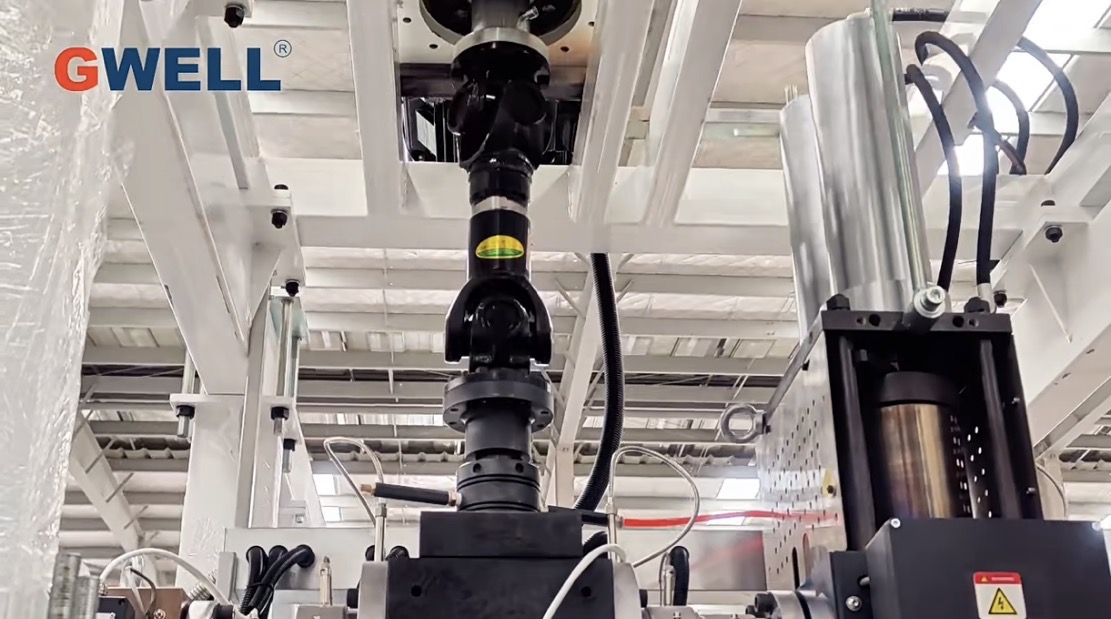
When you look at an extrusion line, you see many parts. Each part does something important. These parts help turn raw material into finished products. Here is a list of the main parts and what they do:
| Component | Function |
| Hopper | Holds and gets plastic granules ready for use. |
| Feed Throat | Moves plastic from the hopper to the barrel. |
| Breaker Plate | Filters and keeps pressure inside the barrel. |
| Barrel | Heats and softens plastic while a screw moves it forward. |
| Feed Pipe/Adapter | Sends melted plastic to the die. |
| Die | Gives the extruded profile its shape. |
| Cooling System | Quickly cools and hardens the shaped profile. |
Extruder
The extruder is the most important part. It moves, melts, and mixes the raw material. Inside, a screw turns in a heated barrel. The screw pushes the plastic forward. It melts and mixes the plastic until it is ready to be shaped.
The system moves raw material through the machine.
Heat is used to melt or soften the material.
The material is mixed so it is even before shaping.
Feeding Section
You begin at the feeding section. Here, you put plastic granules or pellets in the hopper. The feed throat moves the granules into the barrel. This step helps the material enter smoothly and at the right speed.
Tip: Keep the feeding section clean and dry. This stops blockages and makes better products.
Heating Section
Next is the heating section. The barrel gets hot with electric heaters. The screw turns and pushes the plastic forward. The heat melts the plastic into a thick liquid. You set the temperature to match the material you use.
Screw and Barrel
Inside the barrel, the screw turns and moves the melted plastic. The screw also mixes the plastic to make it smooth. The screw and barrel help make the right pressure and flow for the next step.
Die
The die shapes the melted plastic. The material is pushed through the die opening. This gives the product its final shape. The die design is very important. It controls the size, thickness, and surface of the product. You can use different dies for pipes, sheets, films, or profiles.
Note: A good die design helps you get the right size and a smooth finish.
Cooling System
After shaping, you need to cool the product fast. The cooling system uses water, air, or rollers. You control the temperature to keep the shape and stop defects. Fast cooling stops warping and surface problems. Even cooling makes the product smooth and strong.
You control the temperature to harden the product.
Fast cooling stops defects and keeps the shape.
Even cooling makes a smooth surface and strong product.
All these parts work together. They help you make good products on your extrusion line.
Puller & Cutter
You need the puller and cutter to finish the job right. These two parts work together after the cooling system. The puller grabs the shaped product and moves it forward. It keeps the speed steady so the product stays the right size. The cutter slices the product into pieces that are the right length.
The puller keeps the product moving at the same speed. This helps keep the size and shape correct, especially for sheets.
You use the puller so the material does not stretch or get squished. If you pull too fast or slow, the product can be the wrong size and not good quality.
The cutter works at just the right time. It cuts the product in the middle, no matter if it is big or small.
You can speed up or slow down with the puller-cutter system. This makes sure each piece is the same and the process is smooth.
Tip: Always check the puller and cutter before you start. Good settings help you make products that are the right size and look the same.
Control Panel
You run the whole extrusion line from the control panel. This part is like the brain of the machine. You use it to set the heat, watch the speed, and turn on safety features. New control panels have smart technology to help you make good products and keep everyone safe.
| Feature Description | How It Helps You |
| Integrated safety solutions | All safety tools are in one place, so it is cheaper and easier to use. |
| Precise temperature control | You keep the heat just right, so products are strong and smooth. |
| Real-time monitoring | You can see what is happening right now and fix problems fast. |
You use the control panel to change things quickly while making products. If you make sheets, you can change the heat and speed to fit the material and size. The control panel also lets you watch each step, so you keep the quality high and do not make mistakes.
Note: Update your control panel software often. New updates can make things safer and help you work faster.
Extrusion Process Steps
When you use an extrusion line, you follow steps to make products. Each step helps make sure your items look right and work well. Here are the main steps you follow:
Feeding Material
First, you get the raw material ready. Most extrusion lines use plastic pellets or granules. You put these into a hopper. The hopper holds the material before it goes into the machine. A gravimetric feeder system helps control how much material goes in. This system uses load cells and a PLC controller to measure and change the feed rate. You get a steady flow of material, so your products stay the same.
Pick and clean the plastic you want to use.
Put the plastic into the hopper.
The feeder system controls how much goes into the extruder.
Tip: Check the feeder system before you start. A steady feed keeps your product size the same and stops problems.
Here is a table that shows the main steps from start to finish:
| Stage | Description |
| Material preparation | Clean and heat or mix the raw materials. |
| Loading into the press | Put the material into the extrusion machine. |
| Actual extrusion | Push the material through the die to shape it. |
| Cooling and solidification | Cool the shaped product to make it strong. |
| Cutting and finishing | Cut the product to size and add any needed treatments. |
Melting & Mixing
Next, the extruder screw moves the material forward in a hot barrel. The heat melts the plastic and turns it into a thick liquid. The screw mixes the melted plastic so it is smooth and ready to shape.
Put the material into the screw channel.
The screw pushes the pellets forward.
The barrel heats the pellets and melts them.
The screw mixes the melted plastic to make it even.
This step is important for making a good product. If you melt and mix well, your items will not have lumps or weak spots.
Note: Set the barrel heat for your material. Good melting and mixing make your products strong and smooth.
Shaping in Die
After melting and mixing, you shape the plastic with a die. The die is a metal tool with an opening for the shape you want. You push the melted plastic through the die. It comes out as a long shape, like a pipe, sheet, or film.
Put the melted plastic into the die.
The die shapes the plastic as it goes through.
Keep the flow steady for even thickness.
For sheets and films, you use a flat die. The die makes sure the thickness is the same everywhere. After the plastic leaves the die, you often use rollers to cool it and keep its shape.
Tip: Pick the right die for your job. A good die helps you get smooth and even products.
The extrusion process keeps going without stopping. You keep feeding, melting, and shaping the material. This way, you make lots of products fast, waste less, and get the same results every time.
| Evidence | Description |
| High Production Rates | Continuous extrusion lets you make a lot quickly. |
| Material Waste | You use most of your material, so you save money. |
| Consistent Results | Your products are always the right size and smooth. |
By following these steps, you help your extrusion line work well and make good products.
Cooling
After you shape the material in the die, you need to cool it quickly and evenly. Cooling is a key step in any extrusion line, especially for a sheet extrusion line. The way you cool the product affects its strength, surface finish, and final size. You must choose the right cooling method for your material and product type.
Here are the main cooling methods you will see on a sheet extrusion line:
Water Bath Cooling: You pass the hot sheet through a water tank. This method cools thick sheets and high-heat materials fast. It works well for heavy-gauge sheets, but you may see water marks or need extra drying.
Air Cooling: You blow strong air over the sheet. This method is best for thin sheets or when you want a clean, glossy surface. Air cooling is slower than water but does not leave contact marks.
Roll Cooling: You press the hot sheet between chilled rollers. This method gives you the best surface finish and keeps the thickness even. Roll cooling supports high speeds but costs more and needs careful setup.
You can compare these methods in the table below:
| Cooling Method | Best For | Advantages | Limitations |
| Water Bath Cooling | Thick sheets, high-heat materials | Fast, low cost, good for heavy-gauge sheets | Water marks, needs drying, less glossy |
| Air Cooling | Thin sheets, clean surface needs | No contact marks, simple, clean | Slower, not for very thick sheets |
| Roll Cooling | High-clarity sheets, precise control | Best finish, stable thickness, high speed | Higher cost, more setup and maintenance |
Tip: For most sheet extrusion lines, you use roll cooling to get a smooth, clear surface and control the thickness. You may combine air and water cooling for special products.
You must control the cooling speed and temperature. If you cool too fast or too slow, the sheet can warp or crack. Always check the cooling system before you start your extrusion line.
Cutting & Finishing
Once you cool the extruded sheet or profile, you need to cut and finish it. This step gives you the final product that meets your customer’s needs.
You follow these steps on a sheet extrusion line:
Pulling: The puller moves the cooled sheet forward at a steady speed. This keeps the sheet flat and the thickness even.
Cutting: You cut the sheet to the right length using a saw, blade, or rotary cutter. For films or rolls, you may wind the product onto spools instead of cutting.
Finishing: You trim the edges, print labels, or add surface textures. Some lines add protective films or emboss patterns for special uses.
Quality Check: You inspect the finished product for size, surface, and strength. You remove any sheets that do not meet your standards.
Note: Good cutting and finishing help you deliver high-quality products every time. Always keep your tools sharp and your machines clean.
A sheet extrusion line lets you make many products with different sizes and finishes. You can change the cutting length or add new finishing steps to match your customer’s order. This flexibility makes extrusion lines a top choice in modern manufacturing.
Common Products
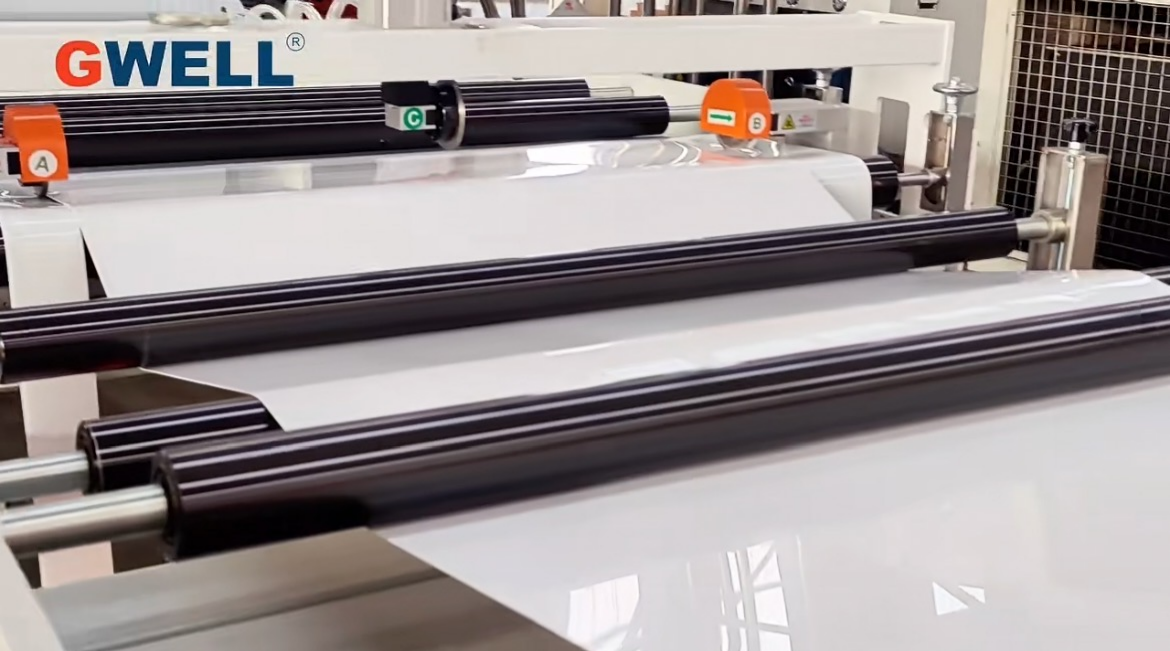
Extrusion lines help you make many products that you see and use every day. You can find these products in homes, hospitals, factories, and stores. Here are some of the most common items you can produce with an extrusion line.
Pipes & Tubes
You use extrusion lines to make pipes and tubes for many industries. These products carry water, gas, or even medical fluids. You see them in plumbing, healthcare, and food service. The process gives you strong, smooth, and flexible pipes.
PVC pipes: Used for plumbing and drainage in buildings.
Medical tubes: Used in hospitals for IVs and catheters.
Drinking straws: Used in restaurants and homes.
Flexible hoses: Used in gardens and factories.
You can change the size and thickness of pipes and tubes by adjusting the die and the speed of your extrusion line.
Here is a table that shows where you use extruded pipes and tubes:
| Product | Example Uses | Industry |
| PVC pipes | Water supply, drainage | Construction |
| Medical tubes | IV lines, catheters | Healthcare |
| Drinking straws | Beverage service | Food Service |
| Flexible hoses | Irrigation, machinery | Agriculture, Industry |
Sheets & Films
A sheet extrusion line lets you make flat plastic sheets and thin films. You use these for packaging, shopping bags, and food containers. The process starts when you melt plastic pellets and push them through a flat die. The sheet cools on rollers and you cut it to the size you need.
Shopping bags: Used in stores and supermarkets.
Food packaging: Used to keep food fresh and safe.
Blister packs: Used for medicine and small electronics.
Protective films: Used to cover surfaces during shipping.
You can make sheets and films in two main ways:
Melt the plastic and push it through a flat die to make a sheet.
Cool the sheet with rollers and cut it to length.
For films, form a tube, inflate it into a bubble, and stretch it thin.
Cool the film and roll it up for use.
Tip: Use a sheet extrusion line if you want to make large, flat products with even thickness.
Profiles & Rods
Extrusion lines help you make profiles and rods with special shapes. You use these in construction, cars, and farming. Profiles can look like window frames, door seals, or wall trim. Rods are solid and used for supports or handles.
Window frames: Used in homes and offices.
Door seals: Used to keep out dust and water.
Wall trim: Used to finish walls and ceilings.
Plastic rods: Used for machine parts or supports.
Here is a table that shows how different industries use extruded profiles and rods:
| Industry | Uses |
| Agriculture | Siding, trim for barns, easy to clean |
| Automotive | Trim profiles, window seals, wire insulation |
| Construction | Roofing, wall trim, window panes |
| Medical | Tubing for feeding, catheters, IVs |
You can change the die to make many shapes and sizes. This makes extrusion lines very flexible for your business.
Extrusion lines, especially a sheet extrusion line, give you the power to make many products for different needs. You can adjust the machine to match your project, making your work easier and more efficient.
Pellets & WPC
You can use an extrusion line to make pellets and wood-plastic composites (WPC). These products are important in many industries. They help recycle materials and make strong, eco-friendly building supplies.
How Pellets and WPC Are Made:
Waste Plastic Recycling: First, you collect and sort plastic waste. Then, you turn the waste into small flakes.
Wood Powder Production: You use a milling machine to grind waste wood into fine powder.
Wood Plastic Pelletizing: Next, you mix the wood powder with recycled plastic. You make this blend into pellets for your extrusion line.
WPC Extrusion: You put the pellets into the extruder. The machine shapes them into things like decking boards or wall panels.
Surface Processing: You treat the surface to make the WPC look better and last longer.
Tip: Special extrusion machines mix plastic resins and wood fibers well. This gives you even mixing, high output, and steady quality for your WPC products.
Why Use Pellets and WPC?
You recycle waste and help the environment.
You get strong products that last outdoors.
You can make decking, fencing, and wall panels with a sheet extrusion line or profile extrusion line.
Table: Common Uses for Pellets and WPC
| Product Type | Typical Applications | Benefits |
| Plastic Pellets | Injection molding, extrusion | Easy to handle, consistent size |
| WPC Decking | Outdoor flooring, patios | Weather-resistant, low maintenance |
| WPC Wall Panels | Building interiors, fencing | Eco-friendly, strong, attractive |
You can change your extrusion line to make pellets for other uses or finished WPC products. This helps you meet different needs in the market.
Wire & Cable Insulation
You use extrusion lines to make wire and cable insulation. This process covers wires with a protective layer. It makes them safe for homes, factories, and cars.
"The extrusion process is the main way to make insulated cables and wires. You use heat and pressure to shape the polymer. This forms a layer that covers the wire core."
How Extrusion Helps Wire and Cable Insulation:
You melt the insulation material in the extruder.
You push the melted polymer around the wire with a die.
You cool the wire so it keeps its shape and strength.
You cut or wind the wire for easy use and transport.
Key Benefits:
You get even insulation thickness for safety.
You can use special materials for heat or flexibility.
You make lots of wire fast and keep the quality the same.
Table: Wire and Cable Insulation Applications
| Application | Material Used | Benefit |
| Electrical Wiring | PVC, PE | Safe, flexible, durable |
| Data Cables | Polyethylene | High signal clarity |
| Automotive Wiring | Cross-linked PE | Heat and abrasion resistance |
You can use a sheet extrusion line for flat cable insulation. You use a round extrusion line for regular wires. This lets you make many types of cables for modern needs.
Note: Always check the extrusion settings for each material. The right temperature and speed help you stop defects and keep your products safe.
Importance in Manufacturing
Efficiency
You want your factory to work quickly and easily. An extrusion line helps you do this in many ways.
Automation means you do not need as many workers. You can set up the line and let it run by itself.
If you take care of the machines and have trained workers, things go smoothly. You will not have as many problems or stops.
Smart sensors and real-time data help you make more products. You can find problems early and fix them fast.
Cold feed rubber extrusion lines let you make more items. You can use them for a long time without stopping.
When you use an extrusion line, you get better results with less work. You save time, spend less money, and keep making products.
Versatility
You need machines that can do many jobs. An extrusion line lets you make different things from many materials. You can switch from pipes to sheets or rods by changing a few parts.
Here is a table that shows how an extrusion line can do many things:
| Feature | Description |
| Product Type | Make pipes, sheets, films, profiles, and rods on the same line. |
| Material Requirements | Use different plastics, including heat-sensitive types. |
| Production Rate | Adjust for high or low volume needs. |
| Automation Level | Choose from manual to fully automated setups. |
| Multi-layer Extrusion | Create products with several layers for extra strength or flexibility. |
| Co-extrusion | Combine different plastics for unique features. |
| Online Gauging & Control | Monitor size and quality in real time to reduce waste. |
You can use one extrusion line for many jobs. This saves you money and space in your factory.
Cost-Effectiveness
You want to spend less and earn more. An extrusion line helps you do this in many ways.
Automated lines mean you do not need as many workers. This saves money.
Energy-saving machines use less power. Some lines can save you $240 to $310 for each ton you make.
Making lots of products at once costs less for each item.
Most people get their money back in three years. You start saving money soon.
Energy-saving extrusion lines also help the environment. They make less pollution.
| Cost Factor | Impact on Production Costs |
| Labor Costs | Lower with automation |
| Energy Costs | Reduced by efficient equipment |
| Maintenance | Needed, but keeps machines running smoothly |
| Production Scale | Bigger batches mean lower cost per unit |
You get more for every dollar you spend. An extrusion line helps your business grow and do better.
Quality & Consistency
You want every product to look and perform the same. An extrusion line helps you reach this goal. You get reliable results, whether you run a pipe, profile, or sheet extrusion line. Here are the main ways extrusion lines give you quality and consistency:
Precise Temperature Control
You set the temperature for each material. The control panel keeps the heat steady. This means you melt plastic evenly. You avoid weak spots or bubbles in your products.Accurate Speed Settings
You control how fast the material moves through the line. The puller and cutter keep the speed steady. This helps you make pipes, sheets, and films with the same thickness and shape every time.Uniform Mixing
The screw and barrel mix the plastic well. You get a smooth blend with no lumps. This is important for sheet extrusion lines, where even mixing gives you clear, strong sheets.Consistent Cooling
You use cooling systems like water baths, air blowers, or chilled rollers. These systems cool your product at the right speed. You avoid warping or cracks. Sheet extrusion lines often use roll cooling for a glossy, flat finish.Real-Time Monitoring
Modern extrusion lines have sensors and smart controls. You see data on the control panel. You can fix problems fast. This keeps your products within tight quality limits.
Tip: Always check your settings before you start. Small changes in heat or speed can affect the whole batch.
Repeatable Results
You can run the same job again and again. The machine remembers your settings. You get the same size, color, and finish every time. This is key for large orders or when you need to meet strict standards.Quality Checks at Every Step
You inspect products during and after production. You measure thickness, width, and surface finish. If you find a problem, you adjust the line right away. This reduces waste and saves money.
| Quality Feature | How It Helps You |
| Steady temperature | No weak spots or bubbles |
| Even mixing | Smooth, clear sheets and profiles |
| Accurate cutting | Products are always the right length |
| Smart sensors | Fast problem detection |
| Repeatable settings | Same results for every batch |
You can trust a sheet extrusion line to deliver high-quality products. You meet customer needs and build a strong reputation in your industry.
You now know how an extrusion line changes raw materials into things like pipes, sheets, and films.
Each part of the machine helps shape, cool, and finish the products.
Extrusion lines help make strong and even products for homes, factories, and stores.
If you want to learn more, you can ask questions or find out how these machines help your business.
You see things made by extrusion lines all around you every day.
FAQ
What is an extrusion line?
An extrusion line is a big machine that melts plastic. It shapes the melted plastic into things like pipes and sheets. You use it to make films and profiles too.
How does a sheet extrusion line work?
You put plastic pellets into the extruder. The machine melts and mixes the pellets. The melted plastic goes through a flat die. Then, rollers cool it down and make it into sheets.
What products can you make with a sheet extrusion line?
You can make plastic sheets for packaging and building panels. These sheets are also used as protective films. Many businesses use them for different jobs.
Why should you choose extrusion for manufacturing?
You can make products quickly with extrusion. The quality stays the same for each item. You can change designs easily. This process saves money and cuts down on waste.
What materials can you process in an extrusion line?
You can use plastics like PVC, PE, PP, and ABS. Some machines can also use elastomers, metals, or wood-plastic mixes.
How do you control quality on a sheet extrusion line?
You watch the temperature, speed, and thickness with sensors. The control panel helps you check these things. You do regular checks to keep each sheet strong and smooth.
Is it easy to change the product size or shape?
You can change the die and settings on the machine. This lets you make new sizes or shapes. You do not need to buy a new machine.
What safety tips should you follow when running an extrusion line?
Always wear your safety gear. Check the control panel and emergency stops before you start. Keep your work area clean to stop accidents.
