
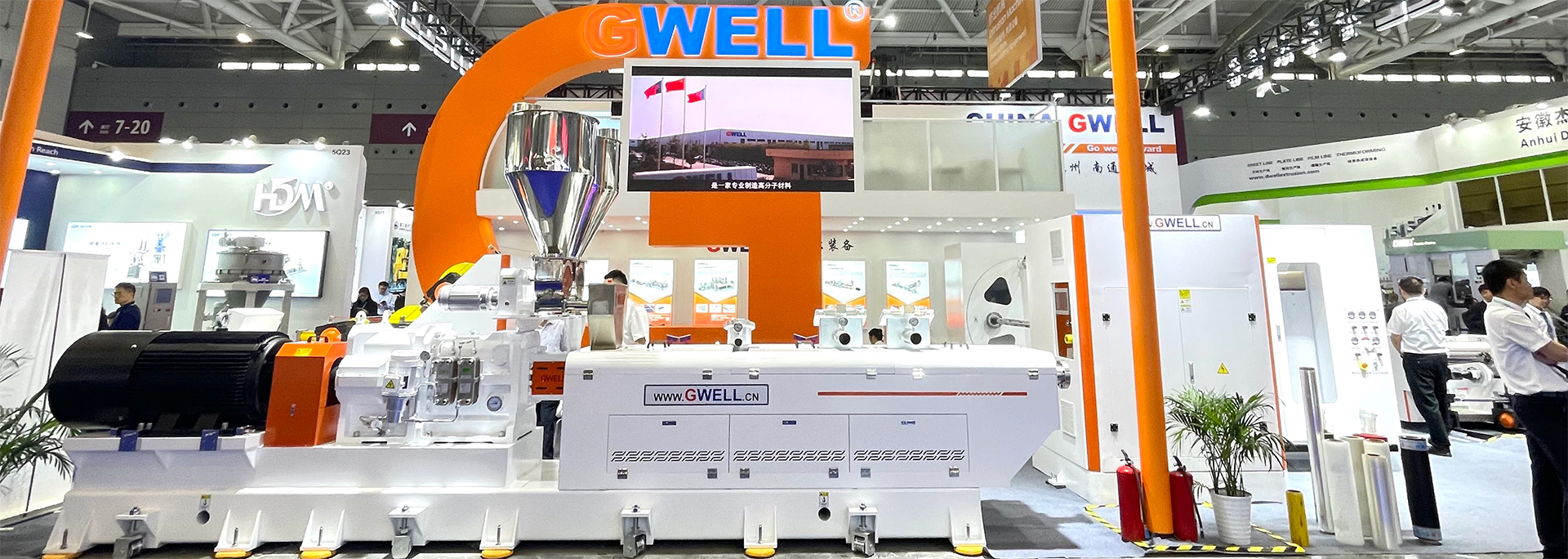
You use a plastic sheet extrusion line to change raw polymers into flat sheets. These sheets are used in many industries.
In 2026, you get help from new process methods. These include Industry 4.0 tools, better material modeling, and full process controls. These new tools help you use less energy and stop work delays.
You must learn about each part. You need to know good ways to work. You should pick the best machines to stay ahead.
This guide helps you make smart choices for your next factory purchase.
Key Takeaways
Plastic sheet extrusion changes raw plastic into flat sheets. These sheets are used in many industries like packaging and building.
In 2026, new technology makes work faster and saves energy. It also helps make better plastic sheets.
Knowing each part of the extrusion line is very important. It helps you make more products and pick the best machines.
Being eco-friendly matters a lot. Using biodegradable and recycled materials helps meet rules and what customers want.
Automation and smart controls make work easier and faster. They help fix mistakes and change settings quickly.
Picking the right extrusion line depends on what you need to make. You should also think about what materials you use and your plans to grow.
Good cooling and cutting methods keep the product strong and even. They help make sure every sheet is the same.
Learning about new trends in customization helps businesses change fast. This lets them meet new market needs and what customers like.
1. Plastic Sheet Extrusion Basics
What Is Plastic Sheet Extrusion
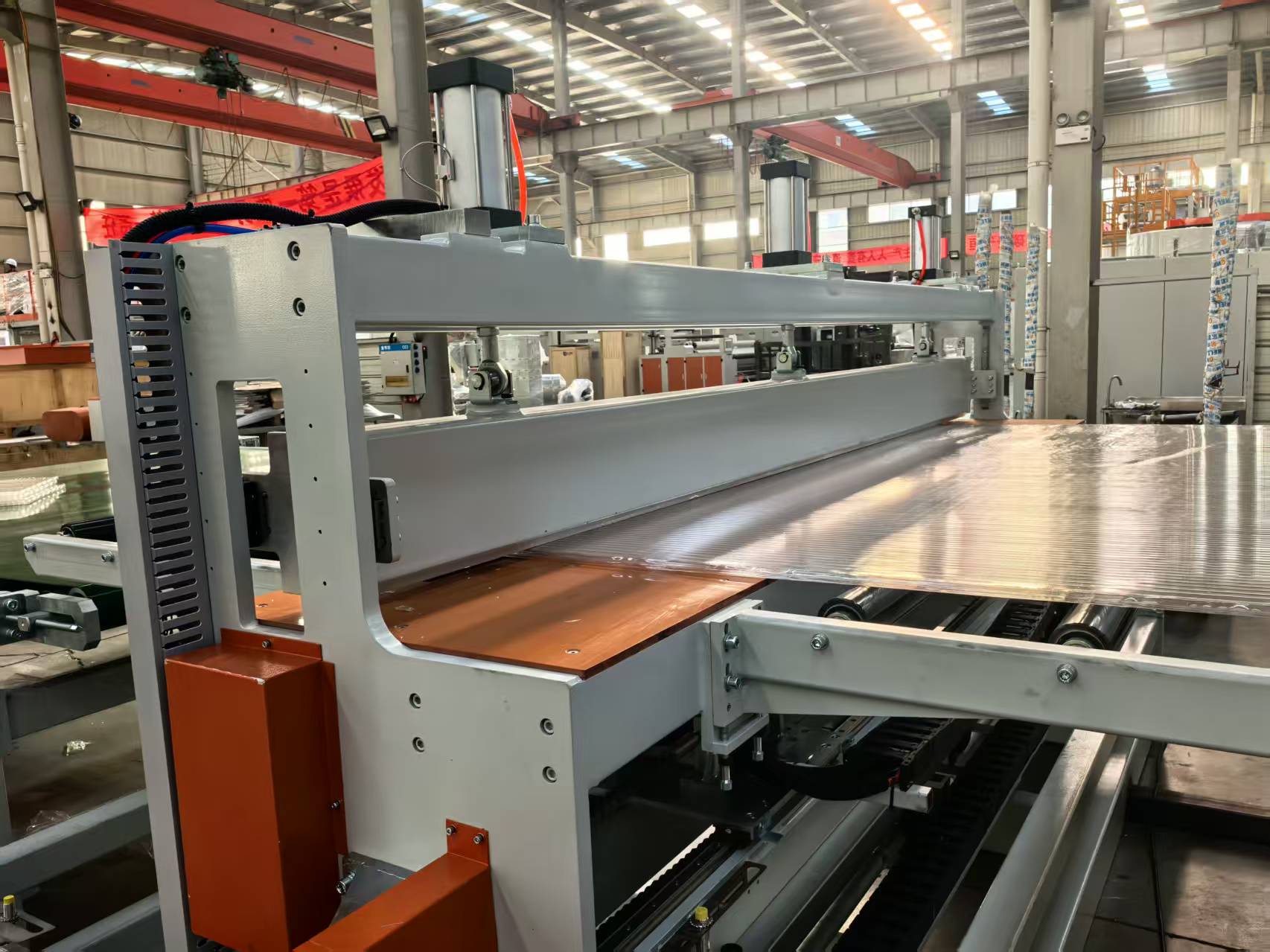
Plastic Sheet Extrusion changes raw plastic pellets into flat sheets. Many industries use these sheets, like packaging and construction. You control the thickness and width of each sheet. You also decide how the surface looks. Sheets can be clear, strong, or bend easily. This technology helps you make products that meet tough rules and customer needs.
How the Process Works
Making plastic sheets uses several steps in a sheet extrusion line. Each step helps shape the final sheet. Here is how you do it:
Feeding the Raw Material
You put plastic pellets into the hopper. The feeder sends the pellets to the extruder.Melting the Plastic
The extruder heats the plastic until it melts. A screw mixes and pushes the melted plastic forward.Extruding Through the Die
The melted plastic goes through a flat die. The die shapes the plastic into a long sheet.Cooling the Extrudate
Rollers or water baths cool the hot sheet. Cooling sets the thickness and surface of the sheet.Pulling & Cutting
The haul-off unit pulls the sheet at a steady speed. You cut the sheet into pieces for stacking or more work.
Tip: Change the speed and temperature at each step. This helps you make better sheets and waste less material.
Key Benefits in 2026
Plastic Sheet Extrusion gives you many benefits in 2026. New materials and controls help you work faster and save energy. The table below shows the main benefits:
| Benefit | Description |
| Sustainability | Biodegradable plastics are better now and help the environment. |
| Enhanced Performance | New materials are stronger and resist heat and chemicals. |
| Precision Manufacturing | Advanced controls help you make sheets with high accuracy. |
| Eco-friendly Practices | You can use recycled plastics and save energy. This supports green manufacturing. |
Upgrading your sheet extrusion line helps you meet market needs. You also lower costs and stay ahead of competitors.
Main Applications
You use Plastic Sheet Extrusion to make things for many industries. This process lets you change how the sheet looks and feels. You can pick the thickness, color, and surface finish you want. Here are the main ways people use these sheets:
Packaging
You make trays, containers, and lids for food and other goods. You often use PET, PP, and PS materials. These sheets are good for thermoforming. Thermoforming shapes them into strong and light packages. You can follow strict hygiene rules and keep products safe when moving them.Construction
You make wall cladding, waterproof layers, and roofing systems. PVC and HDPE sheets last a long time and handle bad weather. Builders like these sheets because they are easy to use and last many years. You help make buildings that save energy and look modern.Automotive
You make inside panels and dashboard parts. Polypropylene and ABS sheets are strong and smooth. Car makers use these sheets to make cars lighter and save fuel. You also help make special designs for different cars.Electrical
You make insulators and machine guards. Plastic sheets sometimes take the place of metal parts in electrical systems. You get better insulation and spend less money. These sheets keep workers and machines safe from electrical dangers.Consumer Goods
You make signs, furniture, and parts for appliances. Plastic sheets come in many colors and textures. Designers use these sheets for creative ideas and new products. You can keep up with new trends and what customers want.
Note: You can change each sheet for special jobs. You pick the best material and settings for your project.
You see that a sheet extrusion line helps many industries. You can switch products by making small changes to your setup. This makes it easy to meet market needs and grow your business.
2. Core Components and Zones
Extruder and Feeder
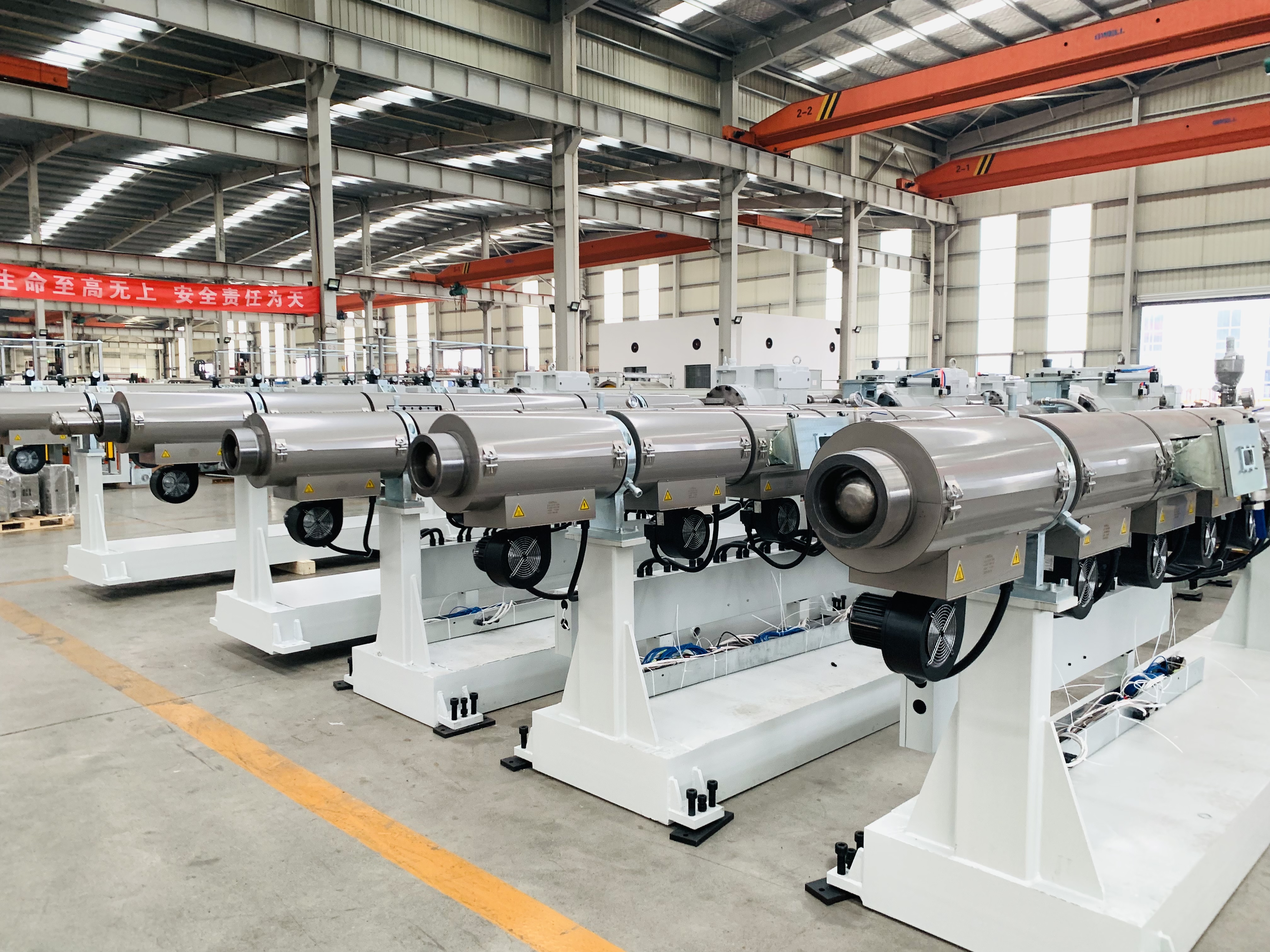
You start every Plastic Sheet Extrusion process with the extruder and feeder. These two parts work together to move and prepare your raw materials.
Main Functions Table:
| Component | Function |
| Extruder | Heats and pushes plastic through the system |
| Hopper | Holds and feeds raw plastic pellets or powder |
The feeder sends the right amount of material into the extruder. You control the flow to match your production needs.
The extruder melts and mixes the plastic. You get a steady and even flow, which is key for making high-quality sheets.
Screw Design and Compression Ratio
You pick the screw design based on your material and product.
A single-screw works well for most jobs. Twin-screw designs help when you need better mixing or want to use fillers.
The compression ratio affects how well the plastic melts and mixes. A higher ratio gives you better mixing but needs more energy.
You adjust the screw length and pitch to control how fast and smooth the plastic moves.
Efficient Drive Systems
You use efficient drive systems to save energy and keep your line running smoothly.
Modern drives let you change speed quickly. You match the speed to your material and sheet thickness.
You lower your power use and reduce machine wear with the right drive system.
Heating and Melting
The heating and melting zone is where you turn solid pellets into a smooth melt.
You set the barrel and screw temperature between 180°C and 185°C. This range helps you avoid breaking down the plastic.
If you heat above 200°C, you risk damaging the material. Good temperature control keeps your sheets strong and looking good.
You use sensors and controllers to keep the temperature steady. This step is vital for making top-quality sheets.
Temperature Control Advances
In 2026, you use smart sensors and digital controls.
These tools help you spot problems fast and adjust heat zones in real time.
You get less waste and better sheet quality with these new systems.
Die Types for Sheet Extrusion
You shape the melted plastic into a flat sheet using a die. You choose the die type based on your product needs.
T-Die, Fishtail, Coat Hanger
T-Die: You use this for most standard sheets. It gives you even thickness and a smooth surface.
Fishtail Die: You pick this when you want better flow for wide sheets.
Coat Hanger Die: You use this for high-speed lines and when you need very uniform sheets.
Tip: Match your die type to your material and product. This helps you get the best results from your sheet extrusion line.
Cooling and Haul-Off
You must pay close attention to the cooling and haul-off stage in your sheet extrusion line. This step shapes the final quality of your plastic sheets. The way you cool the extruded sheet affects its strength, look, and size stability. If you cool the sheet too quickly or unevenly, you may see warping or surface marks. Water cooling gives you fast results and works best for thin sheets. Air cooling lets you slow down the process, which helps when you handle thicker or more sensitive products. You should always match your cooling method to your material and product needs.
After cooling, you use the haul-off unit to pull the sheet at a steady speed. This keeps the sheet flat and smooth as it moves through the sheet extrusion line. You can adjust the haul-off speed to control the thickness and finish of your sheet. If you set the speed too high, you may stretch the sheet and make it too thin. If you go too slow, you risk uneven surfaces. Modern haul-off systems use rubber or silicone rollers to grip the sheet without leaving marks. You can also use digital controls to fine-tune the speed and pressure for each job.
Tip: Always check the temperature and speed settings in your cooling and haul-off zone. Small changes can make a big difference in your final product.
Cutting and Stacking
You finish your sheet extrusion line with cutting and stacking. These steps prepare your sheets for shipping or further processing. You have several standard methods to cut and stack extruded plastic sheets:
Use circular saws for straight cuts on acrylic or Plexiglas® sheets. Set the feed rate between 3 and 4 inches per second. Make sure the blade height is just above the sheet thickness.
Choose band saws for curved cuts or rough trimming. Pick blades with fewer teeth per inch if you work with thick sheets.
When you cut stacked sheets, use hold-down clamps. This reduces chipping and keeps the sheets from overheating.
Apply compressed air or a safe coolant to the saw blade. This step helps prevent heat buildup and keeps your cuts clean.
Stack the finished sheets neatly. Use automated stackers for high-speed lines to save labor and keep your process efficient.
You can adjust your cutting and stacking setup to match your production speed and sheet size. Good cutting and stacking practices help you avoid waste and deliver high-quality products to your customers. When you optimize these final steps, you get the most value from your sheet extrusion line.
3. Types of Plastic Sheet Extrusion Lines
Single-Layer vs Multi-Layer
You pick single-layer or multi-layer sheet extrusion lines. Your choice depends on what you want to make. Each type has its own good points for different jobs.
| Feature | Single-Layer Plastic Sheets | Multi-Layer Plastic Sheets |
| Performance Capabilities | Basic properties for simple uses | Special properties for certain needs |
| Production Efficiency | Cheaper and faster to make | More steps and costs more at first |
| Applications | Used for packaging, signs, and simple building | Used for cars, medical, and food packaging |
Single-layer lines are easy to use. They make sheets quickly and cost less. These lines are good for packaging, signs, and simple building parts. Multi-layer lines let you use different materials together. You can make sheets that are stronger or block air and water better. These lines are used for things like car parts, medical tools, and food packages.
Tip: Pick a single-layer line for basic sheets. Choose a multi-layer line for special products.
Specialty Lines (Foam, Transparent, Barrier)
Some sheet extrusion lines are made for special products. These lines help you make things that people need for certain jobs.
Foam sheet extrusion lines use two systems together. This helps mix blowing agents well. You get foam that is even and light. Polystyrene works well because it flows easily. Foam lines cost more and need skilled workers. But they make very good foam sheets.
Transparent sheet extrusion lines make clear and smooth sheets. You use these for screens, covers, and packages that must show what is inside.
Barrier film lines use automatic T dies with edge technology. You recycle the edges to save material. This helps the environment. These lines make CPP and CPE films. You can use them for many things.
Note: Specialty sheet extrusion lines let you make new products and sell to more people.
Material-Specific Lines
You use material-specific sheet extrusion lines for each type of plastic. These lines have special machines and designs to make better sheets.
Extrusion shapes melted plastic into long sheets. You control the steps to get the same results every time. Twin-screw extruders are important. They mix materials well and work with hard mixtures. You get better heat and mixing, which helps with new plastics.
Twin-screw extruders can be changed for different plastics.
You mix fillers and additives evenly in the sheets.
The process keeps going, so you do not change machine size for each batch.
New sheet extrusion machines help you mix new plastic formulas. You spread ingredients evenly, so your sheets are better. You can make sheets that stop fire or block sunlight.
Tip: Use a material-specific sheet extrusion line for new plastics or when you need exact control over your sheets.
Customization Trends
You see many new trends in customizing your sheet extrusion line in 2026. These trends help you meet customer needs and stay ahead in the market. You can change your production quickly and make better products with less waste. Here are the top trends you should know:
Flexibility in Production
You can now adjust your sheet extrusion line for different thicknesses, widths, and surface finishes. This flexibility lets you switch between products fast. You do not need to stop your line for long. You can serve more customers and take on special orders. For example, you can make thin sheets for packaging in the morning and thick sheets for construction in the afternoon.Advanced Automation
You use smart control systems to run your sheet extrusion line. These systems help you set up recipes for each product. You can save your settings and use them again. Automation checks your process and makes changes in real time. You get fewer mistakes and better quality. You also need fewer workers to watch the line.Sustainability
You focus on energy-saving features in your sheet extrusion line. New machines use less power and create less waste. You can recycle scrap material right on the line. You help the environment and lower your costs at the same time. Customers want green products, so this trend helps you win more business.
Tip: When you choose a new sheet extrusion line, ask about energy use and recycling options. These features can save you money every day.
Here is a table that shows the main customization trends for sheet extrusion lines in 2026:
| Trend | Description |
| Flexibility in Production | You can change thickness, width, and finish quickly to match different orders. |
| Advanced Automation | You use smart controls to improve speed, quality, and repeatability. |
| Sustainability | You add energy-saving tech and recycling to reduce waste and help the planet. |
Modular Design
You can add or remove parts from your sheet extrusion line. This design lets you upgrade your line as your business grows. You do not need to buy a whole new system. You can add new feeders, dies, or cooling units when you need them.
Personalized Solutions
You work with machine makers to design a sheet extrusion line that fits your factory. You can pick special features, like extra sensors or custom dies. This way, your line matches your products and your workflow.
Note: Customization helps you stand out from your competitors. You can offer more choices and better quality to your customers.
You see that following these trends makes your sheet extrusion line more valuable. You can react to market changes, save money, and protect the environment. You build a stronger business for the future.
4. Techniques and Tips for 2026
Process Optimization
You want your sheet extrusion line to run at its best. In 2026, you have new tools and smarter ways to improve every step. Here are the top techniques you should use:
Screw Temperatures and Resin Degradation
Set the Right Screw Temperatures
You must keep your screw temperatures in the right range. If you set them too high, you risk breaking down the resin. This can cause yellowing, weak spots, or even smoke. If you set them too low, the plastic may not melt fully. You get lumps or uneven sheets.Use digital sensors to watch the temperature at each zone.
Adjust the heat as you change materials or sheet thickness.
Prevent Resin Degradation
You should check for signs of resin breakdown. Watch for color changes or bad smells. If you see these, lower your screw temperature or slow the screw speed.Clean your screw and barrel often to stop old resin from burning.
Tip: Always record your best temperature settings for each material. This helps you repeat good results.
Roll Cooling Best Practices
Use the Right Cooling Roll Setup
You need to cool your sheet evenly. Set your cooling rolls to the right temperature for your plastic type.For thin sheets, use water-cooled rolls for fast cooling.
For thick or sensitive sheets, use air-cooled rolls to avoid stress.
Check Roll Pressure and Speed
You must set the right pressure and speed on your rolls. Too much pressure can mark the sheet. Too little can cause waves or bubbles.Adjust the speed to match your haul-off unit.
Use digital controls to keep settings steady.
Note: Good cooling keeps your sheets flat, clear, and strong.
Advanced Methods (Vacuum Forming, Rotational Molding)
You can add value to your Plastic Sheet Extrusion process by using advanced forming methods. These methods help you make special shapes and products.
Vacuum Forming
You heat the extruded sheet and pull it over a mold with a vacuum. This method shapes trays, covers, and custom parts. You get fast results and can use many shapes.Rotational Molding
You place the sheet or resin in a mold that spins. The plastic coats the inside and forms hollow parts. This works well for tanks, toys, and cases.
Tip: Try these methods to expand your product line and reach new markets.
Efficiency and Waste Reduction
You want to save material and energy in your sheet extrusion line. In 2026, you have new ways to do this:
Use AI and smart sensors to watch your process. These tools help you spot problems early and keep your line running smoothly.
Pick the right materials for each job. Good material selection cuts waste and improves quality.
Add in-line monitoring to check sheet thickness and surface in real time.
Test your sheets often to catch defects before they cause waste.
"Proactive purging is being adopted by high-performing sheet extrusion plants to minimize scrap and downtime, ensuring cleaner machines and better throughput.
You can lower costs and help the environment by following these steps. When you use these best practices, your Plastic Sheet Extrusion line will run better and waste less.
Quality Control Innovations
You want your sheet extrusion line to make great products. In 2026, new tools help you check quality better and faster. Here are some important changes you should use:
Real-Time Gauging Systems
You use special control systems to measure sheet thickness and width as the sheet moves. These systems give you quick feedback. You can find problems early and fix them fast.Automatic Adjustments
Your sheet extrusion line can change settings by itself. If the system sees a change in thickness or surface, it changes the die or roller settings right away. This keeps your sheets even and helps you waste less material.Smart IoT Sensors and AI Controls
You add smart sensors to watch temperature, pressure, and product size. AI controls use this data to keep everything steady. If something is wrong, the system can fix it or warn you before a defect happens.Self-Reconfiguration
Some advanced sheet extrusion lines can change themselves to stop mistakes. This means you get fewer bad sheets and less downtime.Predictive Maintenance
Your machines can now tell you when they need service. Predictive maintenance uses sensor data to spot problems early. You avoid sudden breakdowns and keep your line working well.
Tip: Use thickness measurement and automatic die adjustment to keep your sheet extrusion line making high-quality, even sheets every time.
Sustainability Integration
You help make your sheet extrusion line better for the environment. In 2026, you have many ways to lower your impact and meet customer needs for greener products. Here are the top trends:
Bio-Based and Recycled Materials
You can pick bio-based plastics or recycled materials for your sheet extrusion line. These choices help you cut waste and support a circular economy.Smart Controls for Efficiency
You use automation and Industry 4.0 tools to make your sheet extrusion line work better. Smart controls and real-time monitoring let you change production quickly. This saves energy and reduces waste.Flexible Production
Your sheet extrusion line can switch between products or materials fast. Automation helps you change with less downtime. This flexibility helps you reach your sustainability goals.Process Adjustments for Green Materials
You may need to change how you run your sheet extrusion line when you use new, green materials. Smart systems help you find the best settings for each material. This keeps quality high and waste low.
| Sustainability Feature | Benefit for Your Sheet Extrusion Line |
| Bio-based/recycled materials | Lower environmental impact, meet regulations |
| Smart automation | Less waste, better energy use |
| Real-time monitoring | Quick fixes, higher product quality |
| Flexible production | Fast response to market and material changes |
Note: When you choose sustainability, you make your sheet extrusion line ready for the future and more appealing to customers who care about the environment.
5. Choosing Extrusion Machinery
Selection Criteria
When you pick machines for your Plastic Sheet Extrusion process, you need to think about a few important things. Picking the right machine helps you make better products and save money. It also helps you avoid problems later. Here are the main things you should look at:
Throughput and Capacity
Know Your Output Needs
You need a machine that matches your production goals. If your machine is too small, you might have delays. You could also lose money if you cannot make enough sheets.Check the Extrusion Ratio
The extrusion ratio shows how much work your machine can do. If you use the machine too hard, it might break or make bad sheets.Plan for Growth
Pick a machine that can handle more work in the future. If you think your business will grow, get a machine with extra capacity.
Tip: Make sure your machine’s output matches your goals. This helps you avoid mistakes that cost money.
Material Compatibility
List Your Materials
Check that your machine can use all the plastics you want.Check Application Needs
Think about if your plastic needs to handle heat or chemicals.Review Mechanical Properties
Look at how strong and flexible your material is. Think about how it will work in different places.
Automation Level
Assess Automation Benefits
More automation can help you work faster and waste less.Balance Costs
Automation means you need fewer workers. But it can cost more to fix and set up.Plan for ROI
Most factories get their money back from automation in a few years. This is true if you make the same things often.
Note: Automation helps you make more sheets with fewer mistakes. But you need to watch out for new costs.
Manufacturer Support
You need good help from your machine supplier to keep your line working well. Look for these important support areas:
| Component | Description |
| Extruder | Melts and mixes your materials for even sheets. |
| Die Head | Sets the width and thickness of your sheet. |
| Calendering and Cooling | Shapes and cools the sheet with automated controls for uniform results. |
| Pull Rollers | Keep the sheet moving at the right speed and tension. |
| Cutting and Stacking System | Cuts and stacks sheets for easy handling. |
| Control System | Lets you monitor and adjust your process in real time. |
Tip: Pick a manufacturer with a good history, lots of ways to customize, and quality certificates like ISO.
Cost and Value
You want your machine to help you make money. The right machine keeps your costs low and your quality high. If your machine is too small or not efficient, you might waste plastic and lose money. For example, a machine that is not right can make heavy sheets. This can cost you thousands of dollars in extra resin each year. Always check the machine’s details and make sure it fits your needs. Picking the right equipment helps you stay ahead and make a profit.
Future-Proofing
You want your sheet extrusion line to keep its value as things change. Planning for the future protects your money and keeps your business strong. Here are the most important features to look for in a future-proof sheet extrusion line:
Sustainability Focus
Pick a sheet extrusion line that works with recycled and bio-based materials. This helps you follow new rules and give customers greener products. You also help the environment by making less waste.Material Versatility
Choose a line that can use many types of resins and additives. You can switch between jobs without buying new machines. This helps you meet new market needs.Production Speed and Uniformity
Find high-speed lines that make sheets fast and even. Steady production helps you fill orders on time and keep quality high.Adaptability to New Technologies
Make sure your sheet extrusion line can add new automation or smart controls. You want to upgrade easily when new tools come out.Energy Efficiency
Pick a line with motors and controls that save energy. Using less energy lowers your costs and helps you reach green goals.Scalability
Choose equipment that lets you add more machines as your business grows. Modular designs make it easy to expand without buying a whole new line.Powerful Motors and High Torque
Use lines with strong motors and high torque. You can work with thick or tough materials and keep your line running well.
Tip: Match your sheet extrusion line to what you need now, but make sure it can grow and change with your business.
GWELL Machinery Overview
GWELL Machinery gives you many choices for sheet extrusion lines. Each line is made to work well, save energy, and upgrade easily. Here is a quick look at what makes Gwell special:
| Product Type | Key Features |
| PLA PBS PBAT Starch Straw Sheet Extrusion Line | Automated control, multi-extruder co-extrusion, great for thermoforming and printing applications. |
| APET PETG CPET Sheet Extrusion Line | Advanced PET technology, produces three-layer PET sheets with different extruder types. |
| PC PMMA Optical Sheet Extrusion Line | Energy-efficient, smart, and cost-effective compared to imported equipment. |
| PP PS Sheet Extrusion Line | Handles single-layer and multi-layer sheets, up to 9 layers for more product options. |
| PVC Rigid Sheet Extrusion Line | Designed for clear PVC, ensures high transparency and works well at low temperatures. |
| PC PP PVC Corrugated Sheet Extrusion Line | Makes smooth, pressure-resistant sheets for construction and packaging uses. |
You get good support, advanced features, and flexible designs with every Gwell sheet extrusion line. This helps you stay ahead in a market that changes quickly.
If you learn about each part of your sheet extrusion line, you can do better than others. Use these tips and rules to make your sheets better and work faster. Try new ways in 2026 to follow the latest rules. Look at the main points and expert advice below:
| Key Takeaway | Description |
| Sustainability Regulations | Tougher rules push companies to make better sheet extrusion lines. |
| Energy Efficiency | New lines save money and help the planet. |
| Industry 4.0 Adoption | Watching your line in real time helps you follow rules and work better. |
Ask Gwell Machinery or other experts for help with your sheet extrusion line.
| Key Dimension | Description |
| Technology Level | Good automation and controls help you earn more. |
| Output Capacity | Pick a line that fits what you will need later. |
| Service and Support | Good help after buying keeps your line working well. |
FAQ
What is a sheet extrusion line?
A sheet extrusion line uses machines to make flat sheets from plastic. You use these sheets for packaging, building, and other products. This process lets you pick the thickness, width, and look of each sheet.
How do you choose the right sheet extrusion line for your factory?
You need to match the sheet extrusion line to what you want to make. Check how much it can produce, what plastics it works with, and how much is automated. Think about if you will grow and if the maker gives good help.
What materials can you run on a sheet extrusion line?
You can use many plastics like PET, PP, PS, PVC, and ABS in a sheet extrusion line. Some lines also work with recycled or bio-based plastics. Always check if your machine can use the material before you start.
How do you maintain high quality on your sheet extrusion line?
You use sensors and real-time checks to watch your process. Clean your machines often and fix problems before they get big. Write down your best settings for each plastic to keep your sheets good.
Can you recycle waste on a sheet extrusion line?
Yes, you can recycle scrap and edge trim right on many new sheet extrusion lines. This helps you waste less and save money. Some machines have built-in recycling to make things easier.
What are the main benefits of upgrading your sheet extrusion line in 2026?
You save energy, make sheets faster, and get better quality. New sheet extrusion lines help you work greener and use smart controls. These upgrades help you follow new rules and beat your competition.
How does automation improve your sheet extrusion line?
Automation uses smart systems to run your line. You get fewer mistakes, change jobs faster, and need less manual work. Automated lines help you watch your process and find problems early.
