
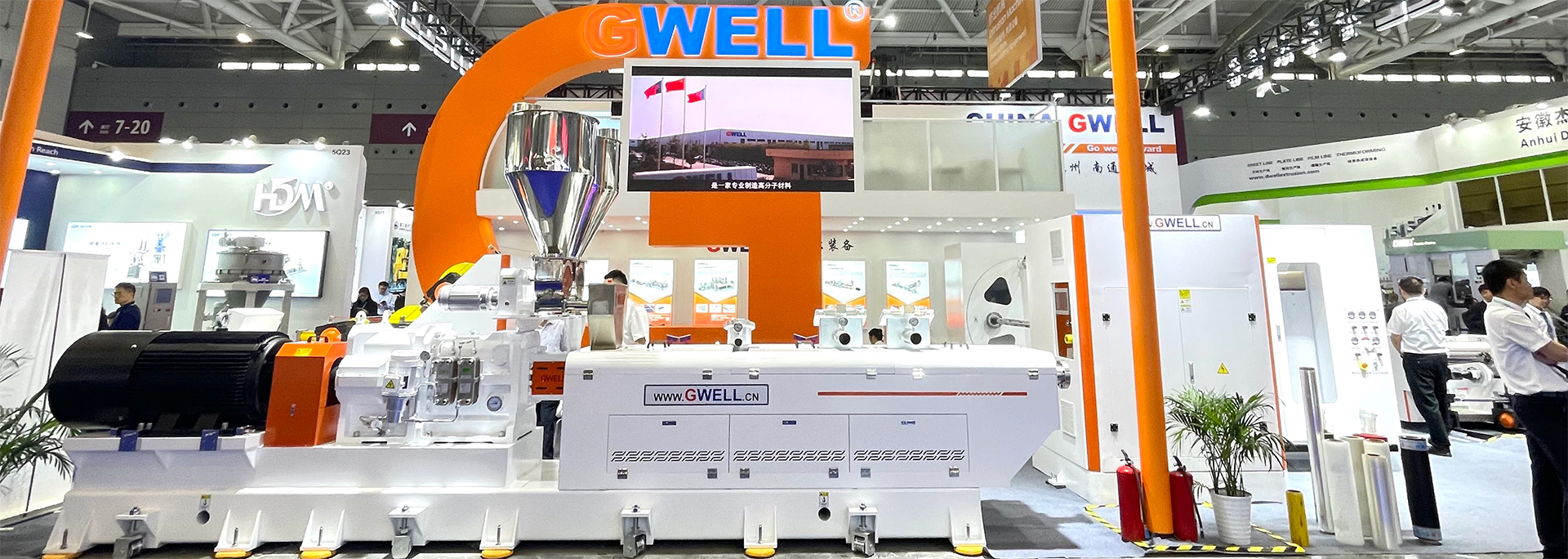
You may ask how a PVB interlayer film extrusion line works to change raw resin into a strong, clear film. This process uses heat, mixing, and shaping to make film for laminated glass. Many businesses need this film for safety and strength.
More people want laminated glass because it is safer and more secure, so the need for PVB film is rising.
Car makers in growing countries use more laminated glass, which makes more people need these films.
Cities are getting bigger and building more, so they use more laminated glass and interlayer films.
Key Takeaways
PVB interlayer film is very important for laminated glass. It makes glass safer in cars and buildings. - The extrusion line heats, mixes, and shapes raw PVB resin. This turns it into a strong film. - Quality control is very important. Workers check thickness and stickiness. This makes sure the film is safe. - Automation in the extrusion line helps work go faster. It also cuts down on waste and keeps workers safe. - Knowing the parts of the extrusion line helps make production better for different uses.
1. PVB Interlayer Film Extrusion Line Overview
The PVB Interlayer Film Extrusion Line changes raw PVB resin into a strong, clear film. This film is used to make laminated glass. Laminated glass helps keep people safe in cars and buildings. The extrusion line lets you control how thick and good the film is. You can change the settings for different jobs in cars, buildings, or security.
Main Process Steps
You can learn how the PVB Interlayer Film Extrusion Line works by looking at its main steps. First, you put raw PVB resin and additives into the machine. The system heats and mixes these materials together. The melted resin goes through a die to become a flat sheet. After shaping, the film cools down. Then, you roll it up for storage or to move it.
Tip: If you want to know more about the machines, you can look at the PVB Interlayer Film Extrusion Line and Sheet Extrusion Line for more information.
Here is a table that shows what the extrusion line does and why:
| Function/Purpose | Description |
|---|---|
| Production of PVB and SGP films | The line makes PVB and SGP interlayer films for laminated glass. |
| Flexible production parameters | You can change settings for different glass types. |
| Quality assurance | The line checks thickness and stickiness for good glass. |
| Applications | Used in cars, buildings, security, and new energy products. |
Film Applications
You can find PVB interlayer film in many places. It is an important part of laminated glass. You see it in car windshields, building windows, and glass walls. The film stops glass from breaking into sharp pieces. It also helps block noise and UV rays. Here are some common uses:
Automotive industry (windshield glass)
Construction industry (curtain walls, glass walls)
Furniture and shop windows
Bullet-proof glass
The PVB Interlayer Film Extrusion Line makes sure the film is safe and comfortable. Most of this film is used in cars to protect drivers and passengers. Buildings use it to make windows stronger and quieter.
2. Key Components of the Extrusion Line
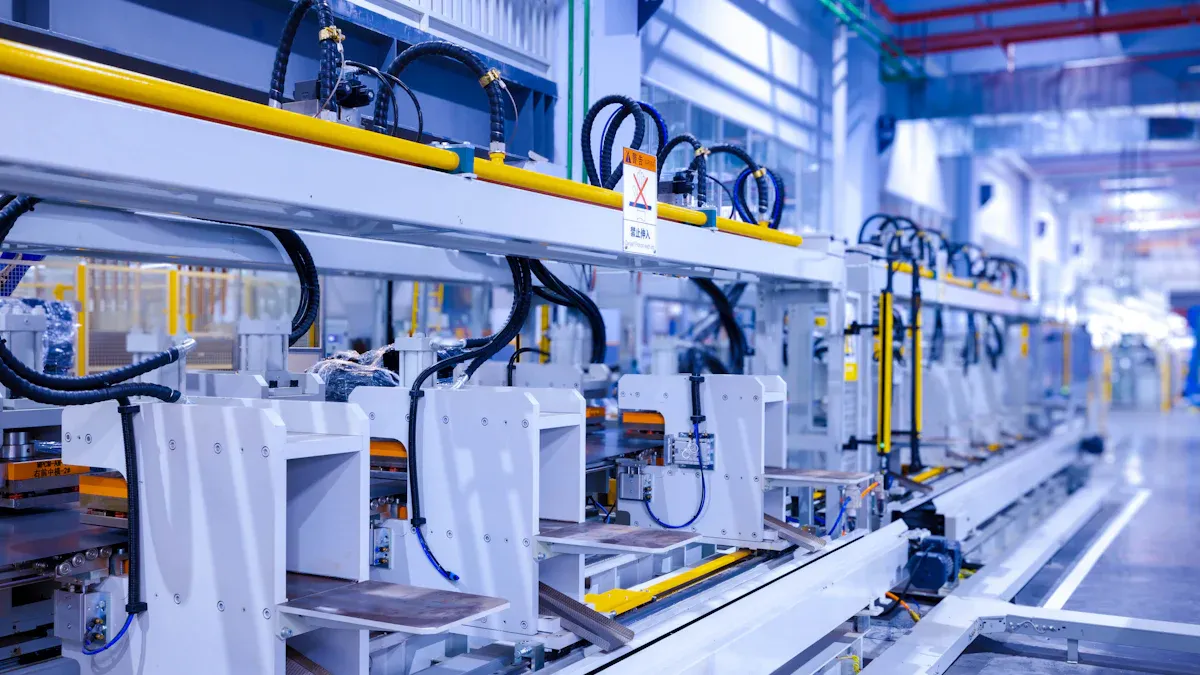
You should know the main parts of the PVB Interlayer Film Extrusion Line. Each part does something important. Good mixing and careful control help make the best film for laminated glass.
Material Feeding System
The feeding system begins the process. A resin storage bin holds the raw PVB resin. The weight loss metering system measures the right amount of resin and additives. This keeps the film quality steady. You mix resin and additives in a double-screw premixing machine. The horizontal mixing machine spreads the additives evenly. Forced feeding moves the material at the right speed. Careful mixing and measuring help the film work well.
| Component/Process | Function/Benefit |
|---|---|
| Resin storage bin | Stores raw materials for PVB production |
| Weight loss metering system | Measures materials for consistent quality |
| Double-screw premixing machine | Mixes resin and additives before extrusion |
| Horizontal mixing machine | Spreads additives evenly |
| Forced feeding | Keeps material flow steady |
Extruder and Mixing
The extruder melts and mixes the resin. The single-screw extruder blends resin and additives well. This step is important for the PVB Interlayer Film Extrusion Line. Good mixing stops problems and keeps the film strong and clear. The plasticizing system helps the resin melt evenly. This keeps the film’s properties steady.
Tip: Mixing and spreading additives well gives the film the right color, stickiness, and strength.
Die and Film Formation
The die shapes the melted resin into a flat film. Die design controls how thick and smooth the film is. You can keep the thickness between 0.38mm and 0.76mm. This matters for laminated glass. The forming system checks the thickness and surface in real time. You can also learn about other extrusion lines, like Cast Film Extrusion Line and Board Extrusion Line, which use similar shaping methods.
Cooling Unit
After shaping, you cool the film quickly. Cooling rollers lower the temperature and stop the film from warping or sticking. Air cooling with the rollers removes more heat. The right cooling keeps the film flat and clear.
Cooling rollers change temperature and speed.
Air cooling takes heat away from the film surface.
Winding and Control
The winding system rolls up the finished film. Tension units keep the film tight but not stretched. Real-time monitoring checks the tension and makes changes if needed. Multi-point control stops wrinkles and misalignment. Good tension control gives neat rolls and less waste.
| Component | Function |
|---|---|
| Independent tension units | Adjust tension in each section |
| Real-time monitoring | Checks and adjusts film tension |
| Multi-point control | Reduces stretching and wrinkling |
| Tension control | Keeps tension within strict limits for quality |
Every part of the PVB Interlayer Film Extrusion Line helps make strong, clear film for safe glass.
3. How PVB Interlayer Film Extrusion Line Work Step by Step
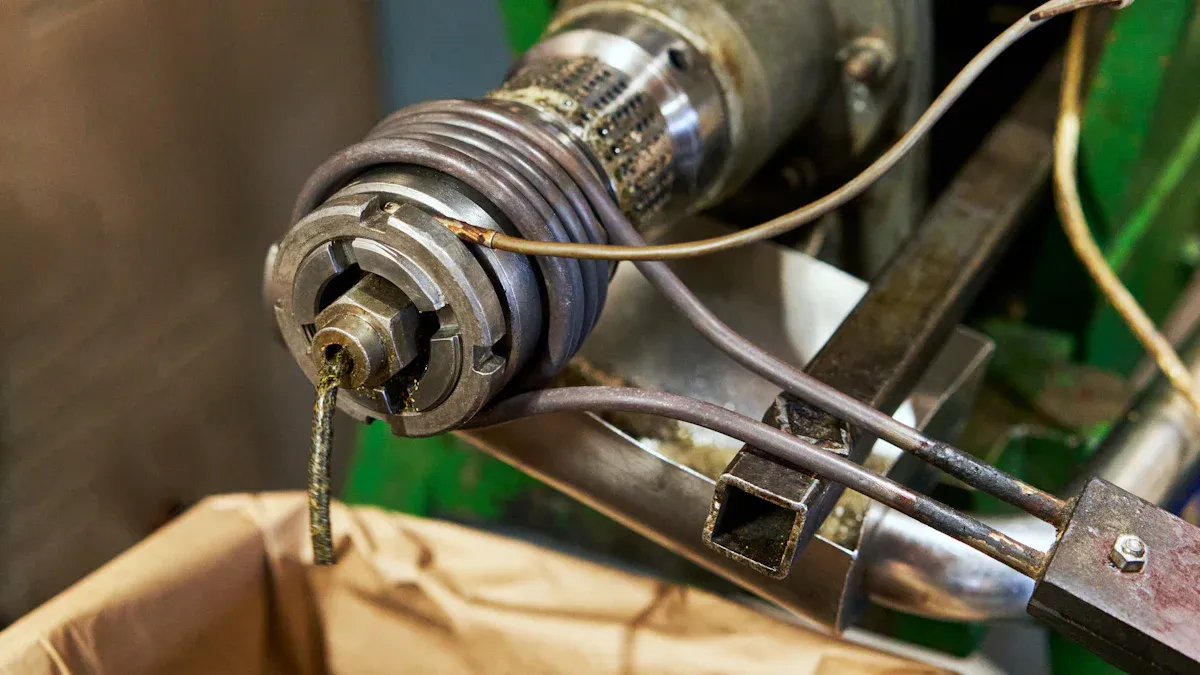
You may wonder how the PVB Interlayer Film Extrusion Line works from start to finish. Let’s look at each step to see how raw resin becomes finished film.
Feeding and Additive Incorporation
First, you put raw PVB resin into the machine. The metering system measures the right amount of resin and additives. Additives like crosslinkers and UV absorbers make the film stronger and protect it better. The table below shows what each additive does:
| Additive Type | Effect on Viscosity | Impact on Properties |
|---|---|---|
| Crosslinker | No big change | Makes the film stronger |
| UV Absorber | No big change | Helps block UV rays |
| Overall Stability | Stays the same | Good for spray-coating |
Mixing the additives well is important. Good mixing gives the film the right color, stickiness, and strength.
Melting and Homogenizing
Next, the resin and additives go into a twin-screw extruder. The extruder heats the mix until it melts. High-shear mixing and a vacuum-venting system take out air and water. This step makes the film smooth and clear. You must control the temperature to keep the film soft and strong.
Extruding and Shaping
After melting, the machine pushes the hot mix through a die. The die shapes the melted resin into a flat film. Controlling the temperature and pH here affects how clear and soft the film is. The PVB molecules form strong bonds, so the film sticks to glass and stays tough. The film lets over 85% of visible light pass through, so it is very clear.
Cooling and Thickness Control
The film goes onto cooling rollers. These rollers cool the film fast and keep it flat. Air cooling takes away extra heat. You can change the roller speed and temperature to control how thick the film is. This step stops the film from warping or sticking.
Winding and Storage
Last, the film goes to the winding unit. The system rolls up the film with the right tension. Real-time monitoring checks for wrinkles or stretching. You get neat rolls ready for storage or shipping.
Note: Some extrusion lines can also make other products, such as Waterproof Extrusion Line, which shows these machines can do many jobs.
By following these steps, you can see how each part of the process and careful control of temperature, mixing, and tension help make high-quality PVB film.
4. Ensuring Film Quality in the Extrusion Line
You want every PVB film to meet high standards. Each step in the PVB Interlayer Film Extrusion Line Work helps you reach this goal. Here is how you can ensure top film quality:
Temperature and Mixing Control
You use multi-zone temperature control to manage heat in different parts of the machine. This keeps the resin from getting too hot or too cold.
You set special temperature profiles in the melting zone. This melts the resin just right and stops it from burning.
In the mixing zone, you control the heat to spread additives evenly. This keeps the film strong and clear.
If you change the temperature too much, the film’s strength can drop. For example, when the temperature goes above 30 °C, the film gets softer and loses strength. At 50 °C, it becomes very weak.
When the temperature stays below 0 °C, the film stays strong for a long time.
Humidity does not change the film’s strength much, so you focus on temperature and mixing.
Tip: Good temperature and mixing control help you get the best film for cars, buildings, and other uses.
Quality Checks and Adjustments
You check the film’s thickness and stickiness during production. This helps you catch problems early.
You use sensors to watch the film as it moves through the line. If you see wrinkles or bubbles, you can fix them right away.
You test the film’s strength and clarity before you send it out. This makes sure every roll meets your standards.
You adjust machine settings if you find any issues. This keeps your film quality steady.
| Quality Check | What You Look For | Why It Matters |
|---|---|---|
| Thickness | Even across the film | Stops weak spots |
| Stickiness | Right amount | Helps film bond to glass |
| Clarity | No haze or bubbles | Keeps glass clear |
| Strength | High enough for safety | Protects people and things |
You can use these steps for other lines too, like Cast Film Extrusion Line, Sheet Extrusion Line, Board Extrusion Line, Waterproof Extrusion Line, and Stretch Film Extrusion Line. These checks help you make strong, clear films for many uses.
5. Variations and Automation in Extrusion Lines
Line Variations
There are many kinds of extrusion lines for making PVB interlayer film. Each type has its own good points for making film and how the film turns out. Some lines use co-extrusion technology. This means you can make films with more than one layer. Each layer can have a special job. For example, one layer can block oxygen or make the film stronger. You can also pick different materials for your film. The material you choose changes how well the film blocks light, sound, or air.
Here is a table that shows how different things change your production:
| Factor | Impact on Production Capacity and Film Characteristics |
|---|---|
| Material Selection | The kind of plastic you use changes how well the film blocks things. For example, EVOH is very good at blocking oxygen, so the film is better. |
| Co-Extrusion Technology | Lets you make films with many layers. This makes the film stronger and better at blocking things. |
| Process Control | If you control temperature, pressure, and speed well, the film stays even and does not have problems. |
You might also see lines like the Stretch Film Extrusion Line. This line uses special setups to make stretchable films. This shows that extrusion technology can do many things.
Automation Features
Modern extrusion lines use lots of automation. These features help you make better film and work less. Automated mixing systems mix your materials the same way every time. PLC full integration lets you control everything from one place. High output means you can make more film faster.
Here is a table of common automation features:
| Automation Feature | Description |
|---|---|
| Automated Mixing | Makes sure your materials mix the same way every time for top film quality. |
| PLC Full Integration | Lets you control the whole line from one system, making work easier. |
| High Output Capabilities | Helps you produce more film quickly and efficiently. |
Automation gives you many good things. Machines with CNC control make every film blank the same size and shape. This is important for car or building glass. Automated cutters work faster than people and waste less film because they use smart software. Workers are safer because machines do the dangerous jobs. If you want to change your film design, automation lets you do it fast and easy.
| Benefit | Description |
|---|---|
| Unmatched Precision and Consistency | Machines make every film blank the same, which is important for car and building glass. |
| Dramatic Waste Reduction | Smart software uses film rolls better, so you waste less material. |
| Enhanced Production Speed | Automated cutters work much faster than people. |
| Improved Worker Safety | Machines do the risky jobs, so workers stay safe. |
| Design and Production Flexibility | You can change film designs quickly for special orders. |
Tip: Automation helps you make great film every time. You waste less and keep workers safe.
You can watch how the PVB Interlayer Film Extrusion Line changes raw resin into strong, clear film by following careful steps. Each part of the process, from feeding to winding, helps make the right film for laminated glass. New things like better screw design and PLC control systems make the work faster and more steady. Quality checks happen at every step to keep the film safe and strong for many uses, like building and transportation.
FAQ
What is a PVB Interlayer Film Extrusion Line?
You use a PVB Interlayer Film Extrusion Line to turn raw PVB resin into film. This film goes inside laminated glass. You find it in car windshields and building windows.
How does a Cast Film Extrusion Line differ from a Sheet Extrusion Line?
A Cast Film Extrusion Line makes thin, flexible films. A Sheet Extrusion Line creates thicker, flat sheets. You pick the line based on the product you need.
Why do you need quality checks during production?
Quality checks help you spot problems early. You look for even thickness, good stickiness, and clear film. This keeps your film safe and strong for glass products.
Can you use the same extrusion line for different films?
Some lines, like the Board Extrusion Line or Waterproof Extrusion Line, have special setups. You can switch between products, but you must adjust settings for each type.
What is the benefit of automation in a Stretch Film Extrusion Line?
Automation in a Stretch Film Extrusion Line helps you make film faster and with fewer mistakes. Machines keep the film size and quality steady. You save time and reduce waste.
