
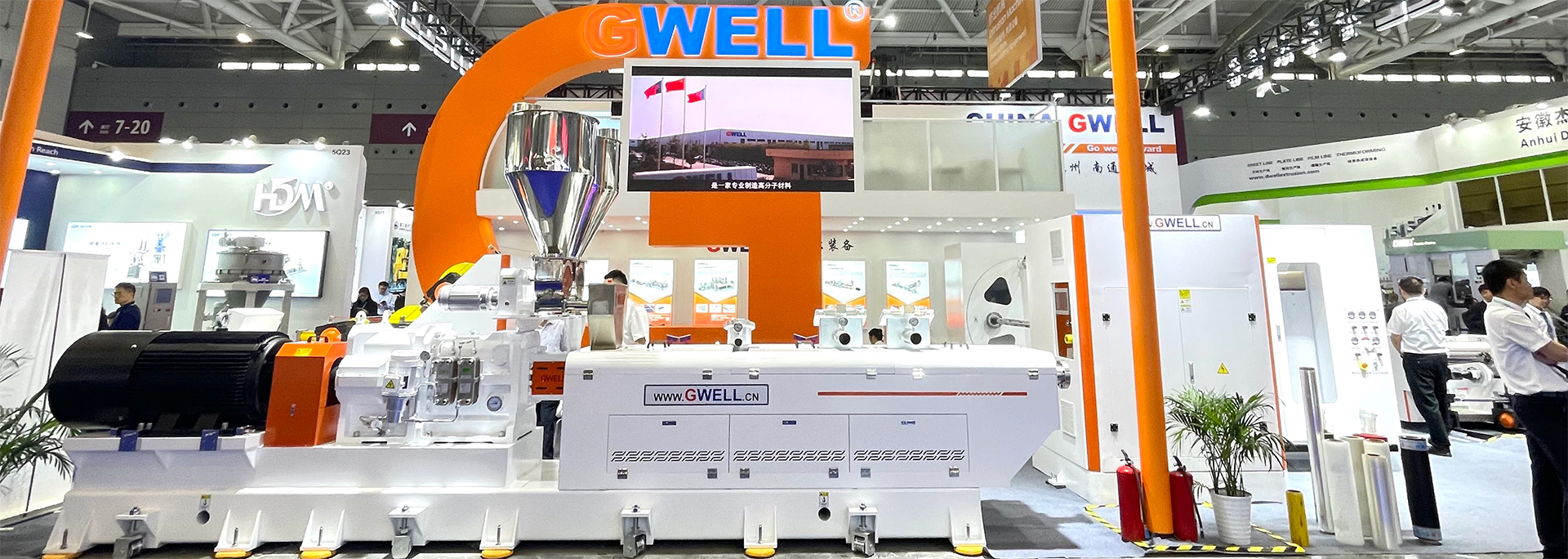
Learning to use a plastic extrusion line is possible for you. You need to follow simple steps and learn by doing. You can stop making mistakes if you use important tips and keep trying. China Gwell Machinery Co., Ltd gives good training and help for new people. Doing things yourself helps you learn more than just reading.
Common beginner mistakes and causes:
Common Mistakes Causes Unstable current of the host Uneven feeding, bearing damage, heater failure Machine head output blocked Heater failure, foreign bodies in material
Practicing with your hands helps you fix problems fast. You will also understand the machines better.
Key Takeaways
Learn about every part of the plastic extrusion line. Knowing how each part works helps you find problems. It also helps you make things run better.
Always use the right steps when setting up and running the machine. This helps you make fewer mistakes. It also keeps the product quality the same each time.
Put safety and regular care first. Wear safety gear to protect yourself. Keep the machine clean and working well to stop accidents and breakdowns.
Learn from your errors and ask for advice. Watch skilled operators and ask them questions. This can help you get better and work faster.
Join training classes. Doing hands-on practice and going to workshops gives you important knowledge. It helps you get really good at using the extrusion line.
1. Know Your Extrusion Line
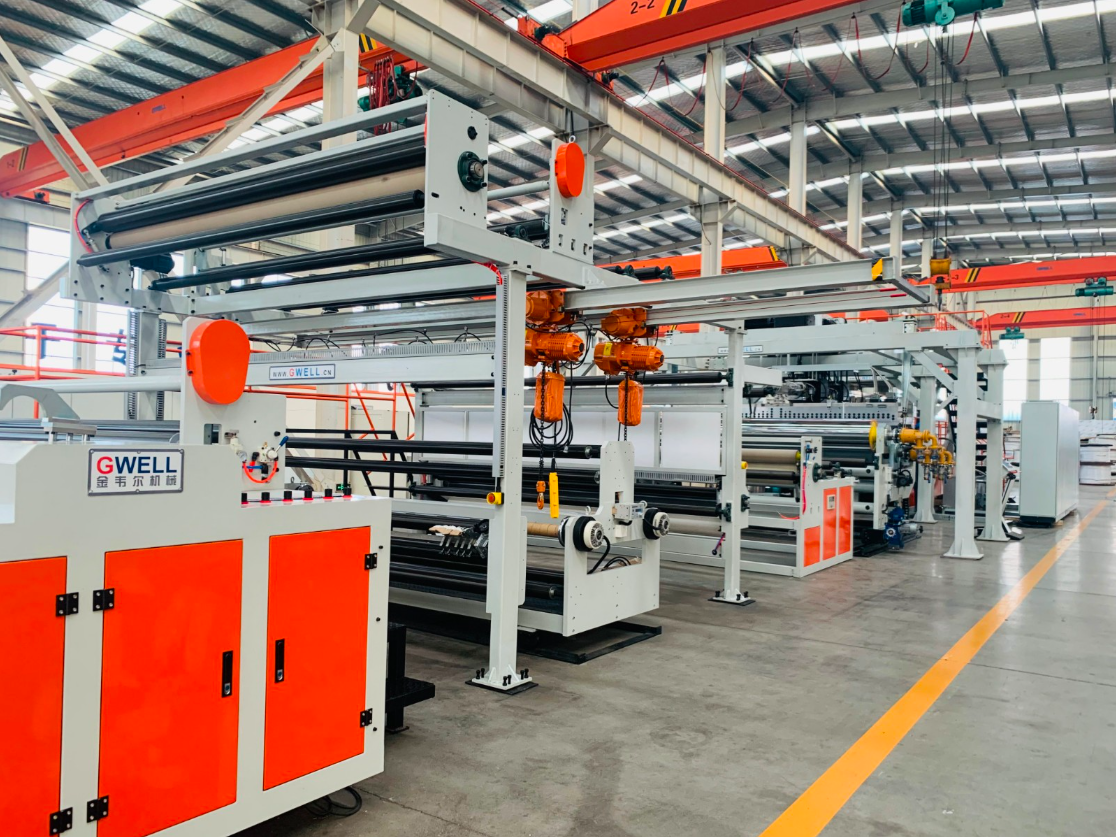
Extrusion Line Components
When you start working with a plastic extrusion line, you need to know each part and what it does. This helps you spot problems and improve efficiency. Here are the main components you will see on most extrusion lines:
Hopper: Holds and prepares plastic granules.
Feed Throat: Moves plastic from the hopper to the barrel.
Breaker Plate: Filters and keeps pressure steady.
Barrel: Heats and softens plastic as it moves forward.
Feed Pipe/Adapter: Sends melted plastic to the die.
Die: Shapes the plastic into the final product.
Cooling System: Cools and hardens the shaped plastic.
Tip: China Gwell Machinery Co., Ltd provides equipment manuals and on-site training to help you learn each part of the extrusion line.
Understanding the Extrusion Machine
You must understand how the extrusion machine works to get the best results. Focus on these key features:
Screw: Mixes and pushes the plastic through the machine.
Barrel: Works with the screw to heat and shape the material.
Hopper: Feeds raw plastic into the extruder.
Head and Die: Forms the final shape.
Drive System: Turns the screw.
Temperature Control System: Keeps the right heat for the process.
The table below shows how each part of the extrusion line helps you work better:
| Component | Function |
| Extruder | Melts and mixes plastic for smooth flow. |
| Die and Tooling | Shapes the plastic and makes sure it looks right. |
| Cooling System | Hardens the plastic so it keeps its shape. |
| Haul-off (Puller) | Pulls the product at a steady speed for even thickness. |
| Cutting/Winding | Cuts or rolls up the finished product for easy handling. |
Plastic Extrusion Process Basics
You need to follow each step in the plastic extrusion process to make good products. Here are the main steps:
Raw Material Preparation: Get the plastic ready with any needed additives.
Feeding: Load the material into the hopper for a steady flow.
Melting: Heat and melt the plastic inside the barrel.
Extruding: Push the melted plastic through the die to get the right shape.
Cooling: Cool the shaped plastic quickly to keep it strong.
Pulling & Cutting: Pull the product and cut it to the right size for packaging or use.
Note: If you want to learn more about automated extrusion lines, China Gwell Machinery Co., Ltd offers training and support to help you master each process.
You will find many types of extrusion lines for different applications, such as pipes, films, sheets, and packaging. Each type uses the same basic process but may have special features for its application. When you know your extrusion line well, you can boost efficiency and avoid common mistakes in plastic extrusion.
2. Follow Standard Procedures
Setup Steps for Plastic Extrusion Line
You need to follow clear steps when setting up your extrusion line. This helps you avoid mistakes and keeps the process smooth. Start by checking each part of the extrusion machine. Make sure the hopper is clean and the extruder is ready. Inspect the die for any damage. Set the temperature controls for the plastic extrusion process. Load the raw material into the hopper. Attach the die to the extruder. Turn on the extrusion machine and let it reach the right temperature. Watch the process as the plastic moves through the extruder and die. If you use a China ETFE film extrusion line, you can find helpful setup guides from China Gwell Machinery Co., Ltd.
Consistent Operation
You must keep the extrusion line running at steady speeds. This gives you consistent product quality. Adjust the speed of the extruder and the puller to match the capacity you need. Check the die often to make sure it shapes the plastic right. Watch the cooling system so the product hardens well. If you see any changes in the process, stop and fix them. This keeps the extrusion line safe and helps you get high efficiency. You can use the extrusion line for many applications, such as pipes, films, and packaging. Each application may need small changes in the process, but the main steps stay the same.
Documentation and SOPs
You should always use standard operating procedures (SOPs) and checklists. These help you remember each step in the extrusion process. China Gwell Machinery Co., Ltd offers SOPs for every extrusion line. Write down any changes you make to the process. Keep records of the die settings, temperatures, and speeds. This helps you solve problems faster. Good documentation also helps you train others on the extrusion line. When you follow SOPs, you improve efficiency and reduce mistakes. You can use the extrusion line for different applications, but always check the SOPs for each one.
Tip: Always review the SOPs before starting the extrusion machine. This keeps your process safe and your products high quality.
3. Safety and Maintenance
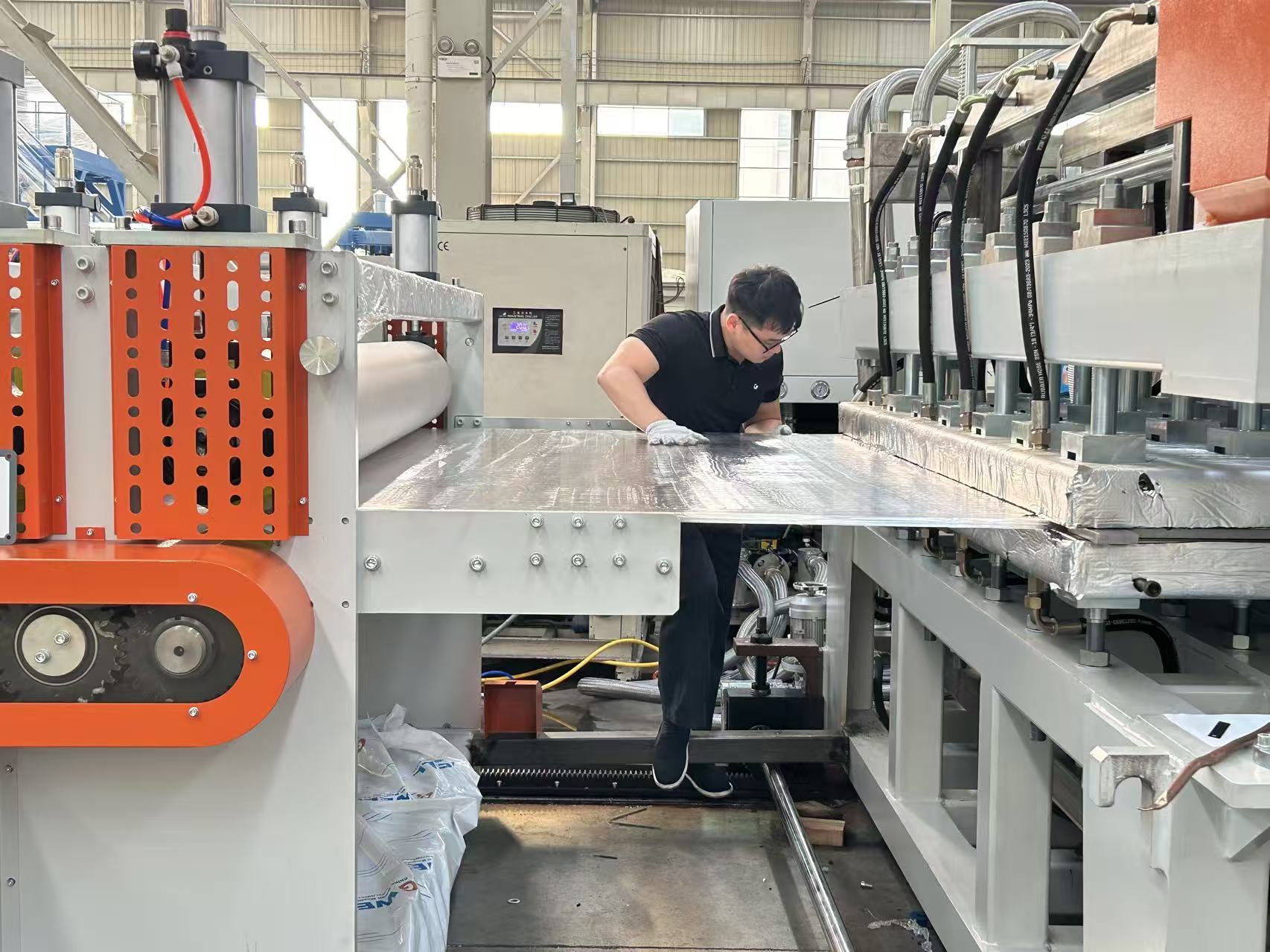
Safety in Plastic Extrusion
Safety is very important when using a plastic extrusion line. Always wear safety glasses, gloves, hard hats, and safety shoes. Only people with training should use the extruder. Learn how to use the controls and find the emergency stop buttons. Follow all instructions from the manufacturer every time. Do not overload the machine or touch moving parts. Keep fire extinguishers close and know where the exits are. Before starting, check the whole extrusion machine for any damage. Look at the wires and make sure all safety guards are on. Good ventilation keeps the air clean, especially with different materials.
Tip: China Gwell Machinery Co., Ltd gives easy-to-follow safety rules and help for every extrusion process. You can find these in their manuals and training classes.
Maintenance Routine for Extrusion Machine
Doing regular maintenance helps your extrusion work well and stops breakdowns. Use this table to help with your daily and ongoing jobs:
| Maintenance Task | Frequency |
| Inspect Coolant Level | Daily |
| Verify Coolant Flow | Daily |
| Clean Coolant System | Daily |
| Check Wiring Connections | Daily |
| Test Electrical Components | Daily |
| Monitor Control Panel | Daily |
| Inspect Emergency Stops | Daily |
| Maintain a Clean Work Environment | Ongoing |
| Use Genuine Spare Parts | Ongoing |
| Follow Manufacturer’s Recommendations | Ongoing |
Keep the area around the extruder clean at all times. Pick up hoses and cords so no one trips. Good cleaning stops accidents and keeps the process safe for all uses, like packaging.
Preventing Common Pitfalls
You can stop many problems by doing regular maintenance. Here is a simple guide:
| Frequency | Task |
| Daily | Look for problems, add oil, clean, check process numbers |
| Weekly | Check gearboxes, belts, couplings, filters, and cooling tanks |
| Monthly | Calibrate sensors, change filters, check electrical panels |
| Quarterly | Fix big parts, service gearbox, check alignment |
| Annually | Do a full safety check and system overhaul |
Always use the right steps when starting or stopping the extrusion. If you hear odd sounds or feel shaking, press the emergency stop right away. Tell a mechanic about any problems and set the speed to zero before starting again. When you use a China PEEK film extrusion line, you get extra help and safety tips from China Gwell Machinery Co., Ltd. These steps help you work better and stop damage to the die or other parts.
4. Learn and Improve
Common Mistakes in Plastic Extrusion
When you start using an extrusion line, you might make mistakes. Learning from these mistakes helps you get better. Many beginners have trouble with the extrusion process. Some run the machine at the wrong speed or forget to clean it. The table below shows common mistakes and how to fix them:
| Common Mistakes | Corrective Actions |
| Mismatch between extrusion speed and cooling effect | Optimize the extrusion process parameters: keep the temperature and pressure stable, adjust the extrusion speed and cooling effect. |
| Screw torque monitoring issues | Regularly check the screw torque; if it wears out, it needs maintenance. |
| Mold surface roughness problems | Maintain mold surface roughness within the recommended range; polish or replace if necessary. |
| Impurities on the mold causing scratches | Keep the mold clean by scrubbing off any debris to prevent scratches. |
| Impurities in the cooling sizing mold | Inspect and clean the cooling sizing mold regularly to ensure proper functioning and prevent scratches. |
| Improper extrusion parameters leading to surface issues | Calibrate the die, optimize heating and cooling systems, and ensure equipment maintenance. |
Check the die and extruder often to spot problems early. Clean your equipment to keep it working well. Try to keep the process steady every time. This helps you make more products and work faster.
Seeking Feedback
You can learn faster if you ask skilled operators for help. Watch how they set up the extrusion line and fix problems. If you work with profile extrusion lines or packaging, talk to others about what works. Write down tips you learn and use them next time. Getting feedback helps you avoid making the same mistakes again. It also makes your extrusion process smoother.
Tip: Share your questions and results with your team. You will find new ways to improve the extrusion process and get better results from your extruder and die.
Training Opportunities
You can join training programs to get better at extrusion. China Gwell Machinery Co., Ltd gives hands-on training for every extrusion line, like the China PFA film extrusion line. Training teaches you about single screw technology, die operation, and safety. You can also take online classes for single-screw and twin-screw extruders. These classes show you how to handle materials, read blueprints, and check quality.
Take refresher courses to remember important points about operation, safety, and quality.
Go to workshops and seminars to share ideas and learn new skills.
Training helps you meet new production needs and waste less material.
You will learn how to keep the process steady and save money.
Keep learning and practicing as much as you can. This will help you master the extrusion process and reach your goals in plastic extrusion.
You can learn to use a plastic extrusion line with these four tips:
Find out what each part does and how it works.
Follow the right steps when you set up and use the machine. This helps you make fewer mistakes.
Pay attention to safety and take care of the machine. This keeps your extrusion lines working well.
Keep learning by joining training for different extrusion lines.
China Gwell Machinery Co., Ltd gives you training, help online, and new tools. Try these steps now to learn faster and do better. Always ask questions and try to get better every day!
FAQ
What are pipes and profiles in plastic extrusion?
Pipes are hollow tubes. They carry water, gas, or wires. Profiles have special shapes. They are used for windows, doors, or frames. Both pipes and profiles are important in factories. Pipe extrusion lines shape and cool the plastic.
How do pipe extrusion lines work for industrial applications?
Pipe extrusion lines melt plastic. They push it through a die. This makes pipes with smooth surfaces. The pipes have strong walls. Factories use these pipes for water, drainage, and chemicals. Profiles are made in similar ways for different shapes.
Why do you need so many pipes and profiles in factories?
Factories use pipes to move liquids and gases. Pipes also protect wires. Profiles help build frames and supports. You see pipes and profiles in machines and buildings. They keep systems safe and neat.
Can you use profiles and pipes for more than one purpose?
Yes, pipes work for plumbing and air systems. They can be covers too. Profiles are used for window frames and door seals. They can be tracks. Pick the right pipe or profile for your job. Factories need both for many tasks.
What should you check when running pipe extrusion lines?
Watch the temperature, speed, and pressure. Clean the die often. This keeps pipes and profiles smooth. Check the cooling system. It helps pipes and profiles stay strong. Good pipe extrusion lines make many useful products.
