
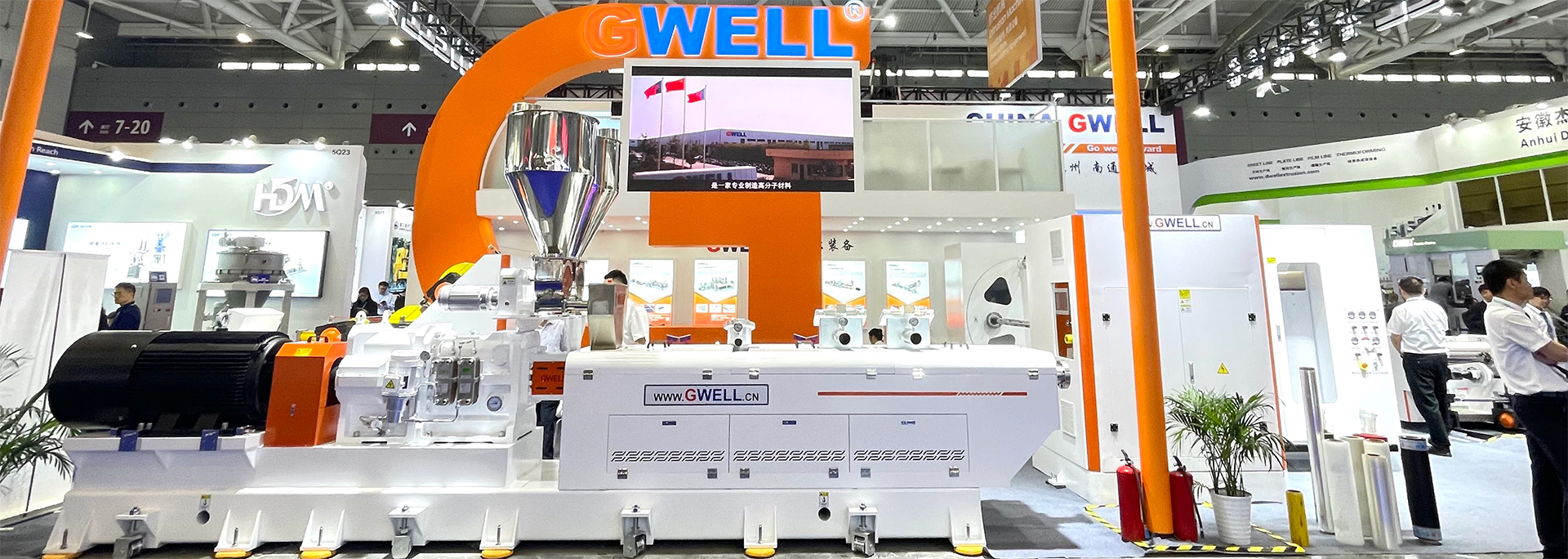
You can increase your photovoltaic film output with the GWELL EVA POE EPE extrusion line. This solution stands out because:
High-quality films enhance device performance and durability, offering improved crystallinity and fewer defects.
Excellent material compatibility ensures strong adhesion between layers and optimizes layer bonding.
Reliable operational stability delivers consistent results, precisely controls film properties, and reduces defect rates.
When considering your options, it’s important to understand how to choose the right solar film extrusion line for your specific production needs. Carefully evaluating your requirements will help you select the most suitable equipment for your operation.
Key Takeaways
Think about what your factory needs. You should know how much you want to make, what materials you will use, and how good you want your products to be. This helps you pick the best extrusion line.
Pick a solar film extrusion line that works well all the time. This means your machines stop less and your film stays good.
Find an extrusion line with automation features. These systems help you make fewer mistakes and work faster.
Make sure the extrusion line follows industry quality rules. Certifications like ISO 9001 and CE mark show it is safe and works well.
Remember to check after-sales support when you choose a supplier. Good support helps you fix your machines and keeps your business strong for a long time.
1. Production Needs Assessment
First, you should know your production goals. This helps you pick the best extrusion line for your needs. When choosing a solar film extrusion line, focus on three things: how much film you need, what materials you want, and the quality you expect.
Output Volume Requirements
Figure out how much film you want to make each hour. Your business size affects this number. Small businesses can use one extrusion line to make 500–600 kg every hour. Big factories use co-extrusion lines that make 750–1,100 kg per hour. Here is a simple guide:
Single extrusion lines are good for small batches.
Co-extrusion lines are better for making lots of film.
Pick the line that matches your daily goals.
Film Type and Material Selection
Pick materials that fit your module design and needs. GWELL lines can use POE and EVA films. These are popular in solar panels. POE films are good for backsheets and encapsulants. They protect against weather and give insulation. EVA films help support the module and give electrical insulation. The EVA POE EPE film extrusion line lets you use these materials easily.
Quality Standards and Certifications
Check if the extrusion line follows industry rules. Look for ISO 9001 and CE marks. These show the machine is safe and high quality. Also, check if the factory has audits, keeps track of materials, and offers performance promises. Here is a quick summary:
Tip: Make sure the extrusion line fits your goals and quality needs. This way, you get more film and steady results.
2. Extrusion Line Efficiency
Capacity and Stability
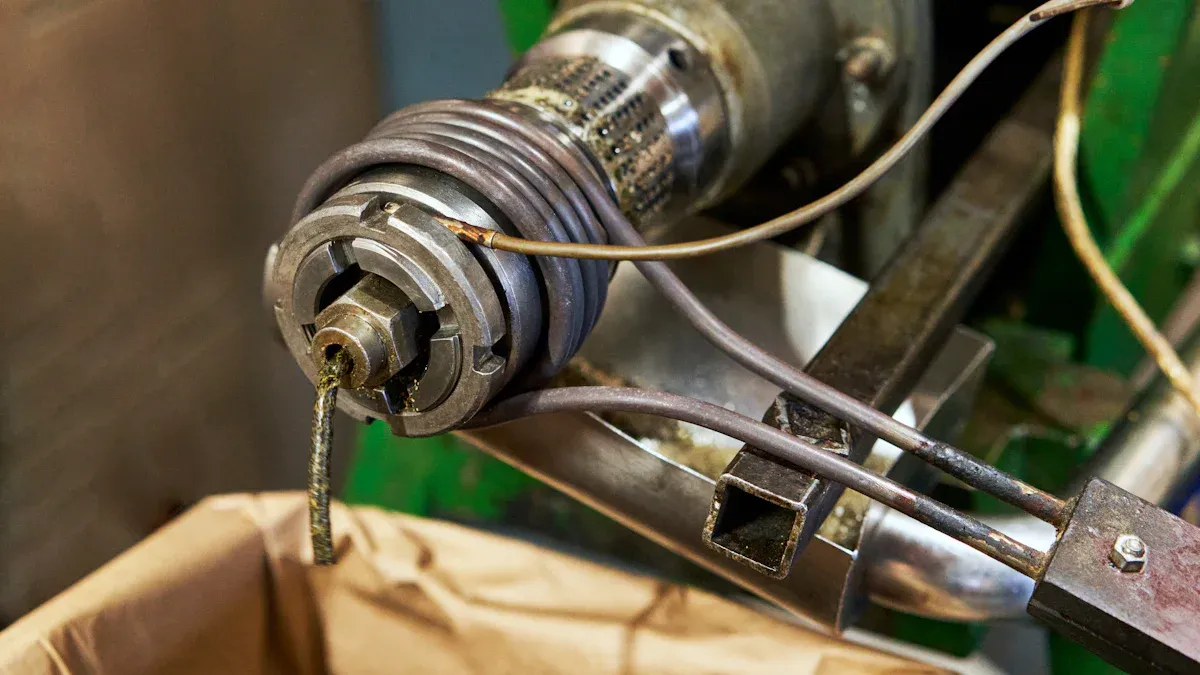
You need a solar film extrusion line that works well all the time. GWELL’s extrusion lines can make lots of film fast. These machines make sheets up to 5100mm wide and 20mm thick. This is as good as or better than other machines in the industry. You can use GWELL lines for big jobs. Stable machines are important because they stop downtime. They keep your work going without many breaks. When machines are steady, you get less waste and fewer mistakes. You make more good film and have fewer stops.
Note: When your machine runs smoothly, you fix fewer problems. You spend more time making good films.
Automation Features
Modern extrusion lines use automation to help you work easier. GWELL has smart controls that watch temperature, speed, and pressure. Automated systems change settings right away if needed. You do not have to stop the machine to fix things by hand. This saves time and makes things more accurate. You can use the automation coextrusion line for tricky film jobs. Automation lets you make films with many layers and exact features. You get better films with less hard work.
Consistency in Yield
You want every batch to be just right. GWELL’s extrusion lines give you steady results. The machines control thickness, clarity, and stickiness. You get films that look and work the same each time. Consistency helps you meet what customers want and pass checks. When your yield is reliable, you can plan your work and send orders on time. You earn trust from your clients and grow your business.
Tip: Pick an extrusion line that gives you steady results. This helps you reach your goals and keep your quality high.
3. Film Quality Factors
Film quality is very important for solar panel performance. You should check clarity, adhesion, thickness evenness, and resistance to moisture and UV light. These things help you pick the right solar film extrusion line for your needs.
Clarity and Adhesion
Clear films let more sunlight reach the solar cells. You want films that look bright and clean. GWELL machines help make films with high clarity. Adhesion is important too. Strong adhesion keeps layers stuck and stops bubbles or peeling. You can test adhesion by seeing if layers stick well after heating and cooling. Good clarity and adhesion make your panels work better and last longer.
Tip: Always look for bubbles or cloudy spots on the film. These show poor clarity or weak adhesion.
Thickness Uniformity
Even thickness gives steady performance. If the film is too thin or thick in some places, the panel may not work well. GWELL extrusion lines use smart controls to keep thickness even. You can measure thickness with special tools. Even films pass quality checks and meet industry rules.
Benefits of even thickness:
Better electrical insulation
Fewer defects
Easier module assembly
Moisture and UV Resistance
Solar panels face rain and sunlight every day. You need films that resist moisture and UV rays. GWELL’s POE film extrusion line makes films for solar cell encapsulation. These films last longer and cost less than regular EVA films. They shrink less and protect the panel from water and sunlight.
If you want to learn more about making high-quality films, check the EVA POE EPE solar film extrusion line from GWELL.
Note: Always test your films for moisture and UV resistance. This helps your panels last longer and work better.
4. Layer Structure and Material Properties
Layer Design Impact
How you build your film layers matters a lot. It affects how well your photovoltaic films work and how long they last. Using both EVA and POE layers gives you the benefits of each material. EVA layers are very clear and stick well. This lets more sunlight reach the solar cells. It also keeps the layers together. POE layers protect against bad weather and UV rays. They help your films survive outside. EPE films mix EVA and POE. This makes your films steady even in tough places.
Photovoltaic encapsulation films keep solar cells safe from water, sunlight, and damage. They need to let lots of light through. They must stick well to glass and backsheets. They should not let water or sunlight hurt them. These things make your solar panels work better and last longer. Knowing this helps you pick the right solar film extrusion line.
Thermoplastic Material Selection
Picking the right thermoplastic materials changes your film’s quality and how fast you can make it. POE film is important for new photovoltaic technology. It protects well against weather and stops water vapor. EVA is still used because it insulates electricity and supports the film.
GWELL gives you special machines for these materials. Their EVA POE EPE extrusion equipment helps you make films with accuracy and steadiness. This support helps you reach your production goals and keep your quality high.
When you learn how to pick the right solar film extrusion line, check how well the line works with these materials. The best equipment makes the process smooth and keeps the film properties the same.
Strength and Flexibility
Your films must be strong to protect solar cells. They also need to bend without breaking. The right layer structure and materials help with this. EVA layers make the film tough and sticky. POE layers make it stretchy and stop cracks. Together, they make films that handle stress and last longer.
Strong and flexible films mean fewer mistakes when putting modules together. They also make your panels more reliable. When you choose your extrusion line, see if it keeps these material properties during production. This step helps you waste less and makes sure your panels work well.
Tip: Always check if your extrusion line supports the layer structure and material properties you want. This helps you get the best results.
Knowing how to pick the right solar film extrusion line means thinking about more than speed and output. Look at how the line handles layer design and materials. This leads to better film quality and more production.
5. How to Choose the Right Solar Film Extrusion Line for Your Specific Production Needs
Compatibility with Production Goals
You need to pick a line that matches your goals. First, decide what you want to make. Set your top output, film width, and how many layers you need. Make sure your line works with your chosen materials. Check if it can make the size and thickness you want. Think about how much automation you need. If you have fewer workers, automation helps a lot. Follow these steps:
Set your goals. Decide on output, film size, and if it fits your materials.
Find out the total cost. Include energy, repairs, and training.
Think about automation. Look at your team size and how much you want to make.
Tip: Write your goals down before picking a machine. This makes it easier to choose the right one.
Cost-Benefit Analysis
You should check costs and benefits before you buy. Pick the material that fits your solar module. EVA is good for most modules. POE works better in hot and wet places. Check how much film the line can make. GWELL lines work well and can make 300 to 750 kg each hour. Pick a line that can make single, double, or triple-layer films. This gives you more choices for later. Ask yourself, "How do I pick the right solar film extrusion line for my needs?" Think about saving money and getting better quality over time.
Choose the material for your use.
Make sure the line meets your output and is steady.
Pick a line that can make different film types.
You can look at the solar encapsulation film line for more choices and info.
After-Sales Support from CHINA GWELL Machinery Co., Ltd
After-sales support is important for your success. CHINA GWELL Machinery Co., Ltd gives you many helpful services. You get a study to see if your project will work. You can watch the machines in action. The company makes special plans for your needs. They build the line just for you. They check the line to make sure it works right. They teach your workers how to use and fix the machine. They help keep your line running well.
Note: Good after-sales support helps you fix problems fast and keeps your work going.
The EVA POE EPE film extrusion line can help you make more film. Companies in Germany and South Korea used this equipment. They got better efficiency and had fewer mistakes.
You need to choose a quality EVA POE EPE solar film extrusion line that fits your needs. Make sure it meets your quality standards. Picking the right resin and keeping the temperature steady gives you the best results.
Look at the checklist above. Talk to CHINA GWELL Machinery Co., Ltd for a solar encapsulation film line, automation coextrusion line, or EVA POE EPE extrusion equipment that matches your goals.
FAQ
1. How does the EVA POE EPE film extrusion line improve my solar film production?
You get more film with steady quality. The line works with materials like EVA and POE. This helps layers stick well and last long. It lowers mistakes and stops machine breaks. This way, you can make more photovoltaic film faster. Learn more about the EVA POE EPE film extrusion line.
2. What makes a quality EVA POE EPE solar film extrusion line different?
A good line controls thickness exactly and runs smoothly. It works well with different materials. It uses smart automation to keep film clear and sticky. This makes solar panels work better and last longer. Explore the quality EVA POE EPE solar film extrusion line.
3. Can the solar encapsulation film line handle complex multilayer films?
Yes, the solar encapsulation film line can make films with many layers. It mixes EVA, POE, and EPE well. The layers stick tight and are even. This protects solar cells from water and sunlight damage.
4. How does the automation coextrusion line help reduce production errors?
The automation coextrusion line watches temperature, speed, and pressure all the time. It changes settings by itself to keep film quality steady. This cuts down human mistakes and waste during making.
5. Is the EVA POE EPE extrusion equipment suitable for scaling up production?
Yes. This equipment can make a lot of film and stay steady. It is great for growing your business. It handles different film thicknesses and widths. This helps you meet more orders without losing quality. Check out the EVA POE EPE extrusion equipment.
