
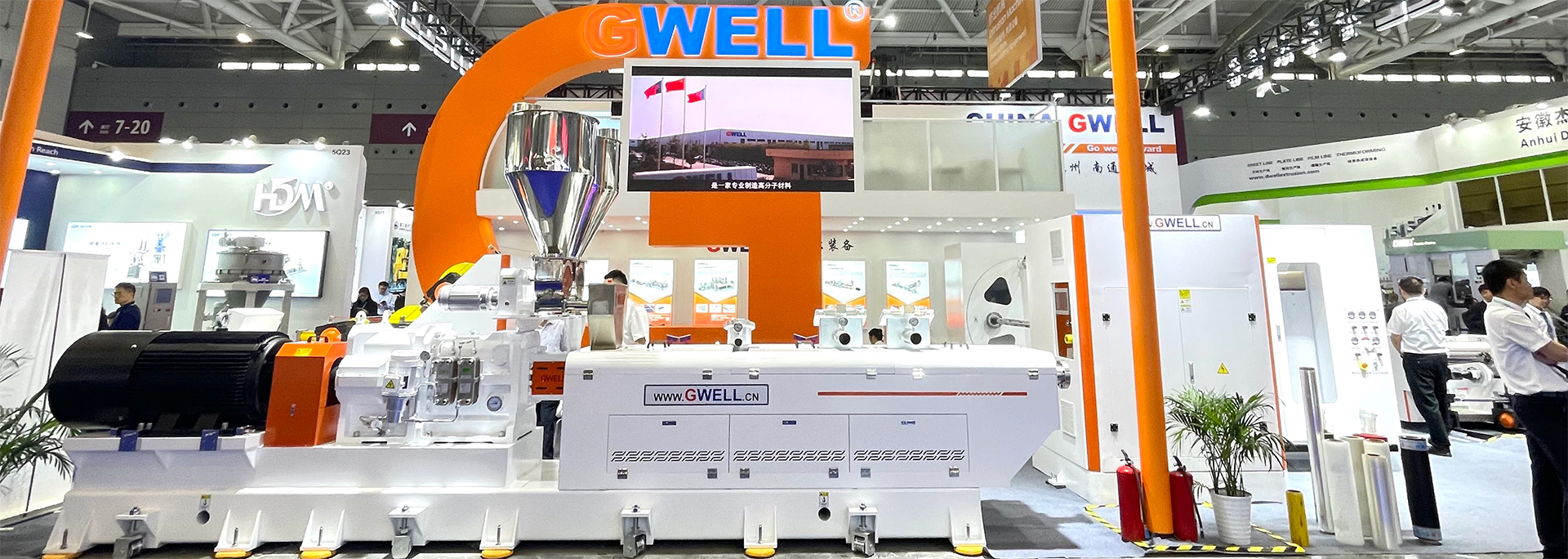
Sheet extrusion makes plastic sheets for many uses. You can find these sheets in packaging, building, and car parts. The sheet extrusion line helps make products quickly and accurately.
The world market for extrusion sheets will grow a lot. It will go from $121.32 billion in 2024 to $222.94 billion by 2035.
More factories and the need for light materials help this growth.
CHINA GWELL Machinery Co.,Ltd is a leader in new technology.
| Technology | Description |
| PLA PBS PBAT Starch Straw Sheet Extrusion Line | Multi-extruder co-extrusion makes strong sheets for many things. |
| PVC Soft Sheet Extrusion Line | Special screw design gives clear sheets and works at low heat. |
| PP PC PE Hollow Sheet Extrusion Line | Good temperature control and PLC technology make work faster. |
| PVB Film, PMMA Sheet, and PP Board Extrusion Lines | These lines are fast and accurate for many jobs. |
This guide gives you helpful tips and advice from experts.
Key Takeaways
Sheet extrusion makes strong plastic sheets. These sheets are used in packaging, building, and cars. The sheet extrusion market is growing fast. It may reach $222.94 billion by 2035. New sheet extrusion lines use smart technology. This helps make better sheets and less waste. Picking the right materials is important. Polypropylene and polyethylene make good sheets. Keeping the extrusion line clean is needed. Regular checks help stop expensive problems. Automation makes sheet extrusion work better. It lets you control temperature and thickness exactly. Buying good equipment from trusted brands is smart. This gives you steady quality and help when needed. Knowing how sheet extrusion is different from other ways, like film extrusion, helps you choose the best process for your products.
1. Sheet Extrusion Line Overview
What Is Sheet Extrusion
Process Basics
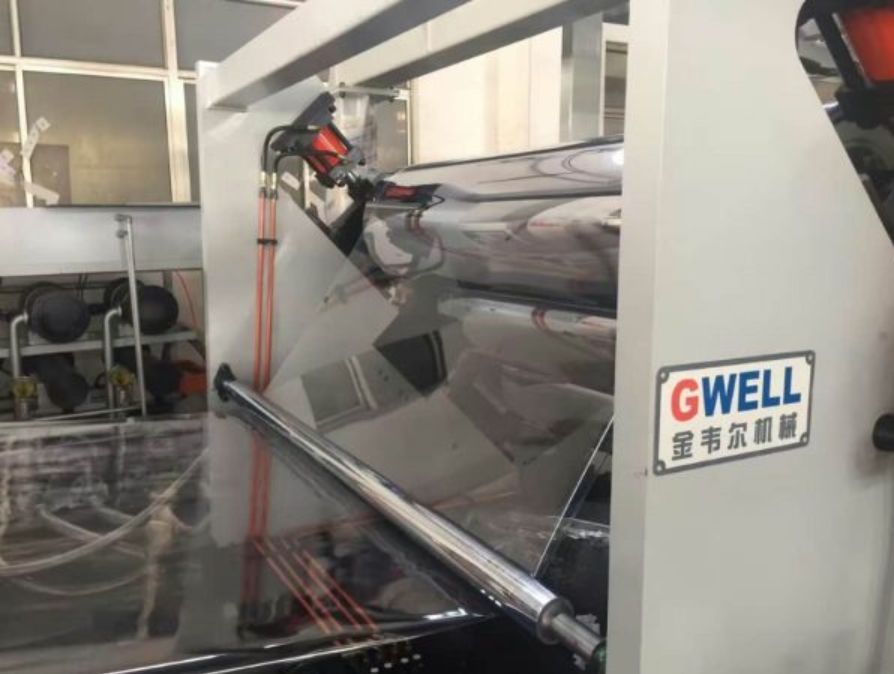
A sheet extrusion line turns plastic pellets into flat sheets. First, you put the plastic pellets into a hopper. The machine melts the plastic with heat. Then, the melted plastic goes through a die to make a flat shape. Cooling rollers make the sheet hard and keep its shape. At the end, you cut or roll the finished sheet. Each step helps make strong and even sheets.
Tip: New sheet extrusion lines use smart sensors and AI. These tools check temperature and speed. They change settings fast for better quality and less waste.
Here is a simple table that shows the main steps in sheet extrusion:
| Stage | Description |
| Feeding the Raw Material | You put plastic pellets in a hopper for a steady flow. |
| Melting the Plastic | Heaters and a screw melt the plastic inside the machine. |
| Extruding Through the Die | The melted plastic gets pushed through a die to make a flat sheet. |
| Cooling the Extrudate | Cooling rollers make the sheet hard and help it keep its shape. |
| Pulling & Cutting | The sheet is pulled out, then cut or rolled for storage. |
Purpose and Uses
Sheet extrusion lines make sheets for many different industries. These sheets are used in packaging, building, and car parts. You can also use them for signs, displays, and barriers. Sheet extrusion lines give you lots of sheets that are always the same quality. This helps you fill big orders and follow strict rules.
Sheet Extrusion vs. Other Methods
Film Extrusion Comparison
You may wonder how sheet extrusion is different from film extrusion. Film extrusion makes thin, bendy films for bags or wraps. Sheet extrusion lines make thick, stiff sheets. Sheets are stronger and last longer. Film extrusion is good for things that need to stretch or bend.
Sheet extrusion lines make strong sheets for building and other uses.
Film extrusion lines make thin films for wrapping and packaging.
Thermoforming Comparison
Thermoforming is another way to shape plastic. You start with a sheet made by a sheet extrusion line. Then, you heat and shape it into trays, boxes, or other parts. Sheet extrusion gives you the flat sheet. Thermoforming turns it into the final product.
Sheet extrusion lines make the flat sheets.
Thermoforming shapes the sheets into finished items.
Note: CHINA GWELL Machinery Co.,Ltd has advanced sheet extrusion lines. They let you change dies quickly and set the thickness you want. You can switch materials and products fast with less waiting.
Sheet extrusion lines are fast, accurate, and can do many jobs. They help you make high-quality sheets for many needs in factories today.
2. Sheet Extrusion Line Components
A sheet extrusion line has many important parts. Each part helps turn plastic into sheets. These parts work together for good results. CHINA GWELL Machinery Co.,Ltd makes these parts fit well for smooth work.
Extruder Types
Most sheet extrusion lines use two main extruders. Each one is good for different jobs.
Single Screw
Single-screw extruders are easy to use. They make regular sheets. They work well and do not cost much. If you want simple shapes, this type is best.
Twin Screw
Twin-screw extruders mix materials better. They work faster than single-screw extruders. You can make special shapes and mix different plastics. They also remove bad gases well. Use twin-screw extruders for advanced sheets.
Here is a table that shows what each extruder does best:
| Type of Extruder | Advantages |
| Single-Screw Extruder | Simple design, cost-effective, stable output, suitable for standard sheet products. |
| Twin-Screw Extruder | Enhanced stability, superior mixing, faster production speed, effective volatile removal. |
Die Head
The die head shapes melted plastic into sheets. Its design is very important. It controls how plastic spreads out. If the die head does not work well, sheets may be uneven. Good die heads use special parts to keep flow even. This helps make smooth and even sheets.
Flat Die Design
Flat die designs are used a lot. They help make wide sheets. You can change the die lips to set thickness. CHINA GWELL Machinery Co.,Ltd has advanced flat die designs for better control.
Calendering and Cooling
After leaving the die head, the sheet goes through calendering and cooling. These steps help finish the sheet.
Calender Rollers
Calender rollers press the sheet flat. You can change the thickness by moving the rollers. This step makes the sheet smooth.
Cooling Section
The cooling section keeps the sheet in shape. It also makes the surface better. Air or water cools the sheet fast. Movable cooling rolls help control temperature. Good cooling makes strong sheets.
Tip: Quick roll change and auto gap control help you switch products fast and keep thickness the same.
A good sheet extrusion line is fast and flexible. It helps you make top-quality sheets. CHINA GWELL Machinery Co.,Ltd makes these parts work well together for great results.
Pull Rollers
Pull rollers play a key role in your sheet extrusion line. You use them to guide the sheet after it leaves the cooling section. These rollers keep the sheet moving at a steady speed. They help you control the thickness and surface finish of each sheet.
You must keep the rollers clean and make sure they stay parallel. This prevents defects in thickness and surface finish.
Pull rollers keep the sheet flat and taut during cooling. This step is crucial for making sure the sheet stays even and smooth.
If the shape of the rollers changes, you may see indentations or bumps on the sheet. These marks can affect the look and quality of your product.
You can adjust the speed and pressure of the pull rollers. This lets you fine-tune the sheet’s thickness and texture. CHINA GWELL Machinery Co.,Ltd designs pull rollers that work with advanced controls. You get better results and fewer problems with their equipment.
Tip: Regular checks and cleaning of pull rollers help you avoid costly defects. You should always inspect rollers for wear and alignment.
Cutting and Stacking
After you form and cool the sheet, you need to cut and stack it. This step helps you prepare the sheets for shipping or further processing. Good cutting and stacking practices keep your products safe and high-quality.
Here are some best practices for cutting and stacking extruded sheets:
| Best Practice | Description |
| Maximize product bundle sizes | You fit product bundles to the basket rack. This makes transfer and shipping safer. |
| Use removable backstop | You stack parts securely against the basket. This prevents damage during handling. |
| Implement detailed loading procedures | You follow guidelines for loading parts. This reduces damage from stacking. |
| Utilize pre-cut paper sheets | You place paper sheets between parts. This prevents contact and increases airflow, reducing risk. |
You can use automatic cutters to get precise sheet sizes. Stacking machines help you organize sheets quickly and safely. CHINA GWELL Machinery Co.,Ltd offers cutting and stacking solutions that match your production needs. Their systems help you save time and protect your products.
Note: Careful stacking and cutting reduce waste and improve your workflow. You should train your team to follow these steps for the best results.
A well-designed sheet extrusion line includes reliable pull rollers and smart cutting and stacking systems. You get consistent quality and higher output when you use equipment from CHINA GWELL Machinery Co.,Ltd.
3. Sheet Extrusion Line Process Steps
Feeding and Melting
You start the sheet extrusion line by preparing the right plastic material. You choose the polymer resin and any additives you need for your product. You pour these materials into the hopper. The machine feeds them into the extruder. Heaters warm the plastic as it moves forward. The screw inside the extruder turns and pushes the plastic. The heat and pressure melt the pellets into a thick, smooth liquid.
Tip: Using automated feeders helps you keep a steady flow of material. This reduces waste and keeps your process running smoothly.
Mixing and Conveying
After melting, you need to mix the plastic well. The screw inside the extruder blends the melted plastic and any additives. This step makes sure the material is even and ready for shaping. The screw also builds up pressure. This pressure helps push the plastic toward the die. Good mixing and pressure mean your sheets will have the same quality every time.
Here is a table that shows how automation can help you during mixing and conveying:
| Product Feature | Benefit |
| Opti-Mix Gravimetric Batch Blending | Gives you precise and even mixing, so your sheets have better quality. |
| Opti-Flake High Throughput Blender | Lets you blend large amounts quickly for high-volume production. |
| Opti-Cram Material Feed Assist | Keeps material flowing smoothly, so you avoid stops and slowdowns. |
| Supervisory Systems | Watches over the process and helps you fix problems fast. |
Extrusion and Shaping
Now, you move to the shaping step. The melted and mixed plastic gets pushed through a flat die. This die shapes the plastic into a wide, flat sheet. You can adjust the die to set the thickness you want. The sheet leaves the die as a hot, soft ribbon. You must keep the flow steady to avoid defects.
Note: CHINA GWELL Machinery Co.,Ltd offers advanced dies and controls. These features help you change sheet thickness quickly and keep quality high.
You can follow these main steps in the sheet extrusion process:
Prepare and feed the right material into the hopper.
Melt the plastic with heat and pressure.
Mix and pressurize the molten plastic for even flow.
Shape the plastic into a flat sheet using the die.
Automation and process controls help you keep each step consistent. You get better sheets and less waste when you use a modern sheet extrusion line.
Cooling and Calibration
After the plastic leaves the die, you need to cool and calibrate the sheet. This step is very important in the sheet extrusion line. If you cool the sheet too fast or too slow, you may get warping or uneven thickness. You want to make sure the sheet stays flat and strong.
Here are the main steps you follow during cooling and calibration:
Guide the Sheet onto Cooling Rollers
You move the hot sheet onto a set of cooling rollers. These rollers touch both sides of the sheet. They pull heat away and help the sheet keep its shape.Adjust Roller Pressure and Speed
You set the pressure and speed of the rollers. This controls how fast the sheet cools. If you use the right settings, you get a smooth and even surface.Use Calibration Units for Thickness
Calibration units help you set the exact thickness you want. These units press the sheet gently and keep it flat. You can adjust them to match your product needs.Monitor Temperature and Thickness
Many modern sheet extrusion lines, like those from CHINA GWELL Machinery Co.,Ltd, use sensors. These sensors check the temperature and thickness all the time. If something changes, the system can fix it right away.
Tip: Always check the rollers for dirt or damage. Clean rollers help you avoid marks or defects on your sheet.
Here is a table to show what you control during cooling and calibration:
| Step | What You Control | Why It Matters |
| Cooling Rollers | Speed, Pressure | Keeps sheet flat and smooth |
| Calibration Units | Gap, Pressure | Sets exact thickness |
| Sensors | Temperature, Thickness | Maintains quality and reduces waste |
Cutting and Finishing
Once you cool and calibrate the sheet, you need to cut and finish it. This step gets your product ready for use or shipping. The sheet extrusion line from CHINA GWELL Machinery Co.,Ltd offers many ways to cut and finish sheets.
Follow these steps for cutting and finishing:
Trim the Edges
You use edge trimmers to cut off rough or uneven sides. This gives your sheet a clean look.Cut to Length
You set the cutter to the right length. Automatic cutters can make this step fast and accurate.Stack or Roll the Sheets
You can stack the sheets in piles or roll them up. Stacking works well for thick sheets. Rolling is good for thin sheets.Inspect for Quality
You check each sheet for cracks, marks, or uneven edges. If you find a problem, you can fix it before shipping.
Note: CHINA GWELL Machinery Co.,Ltd offers automatic stacking and cutting systems. These systems help you save time and reduce mistakes.
Here is a quick checklist for finishing your sheets:
Trim edges for a neat finish
Cut sheets to the right size
Stack or roll sheets safely
Inspect every sheet for defects
By following these steps, you make sure your sheet extrusion line gives you high-quality products every time.
4. Materials for Sheet Extrusion
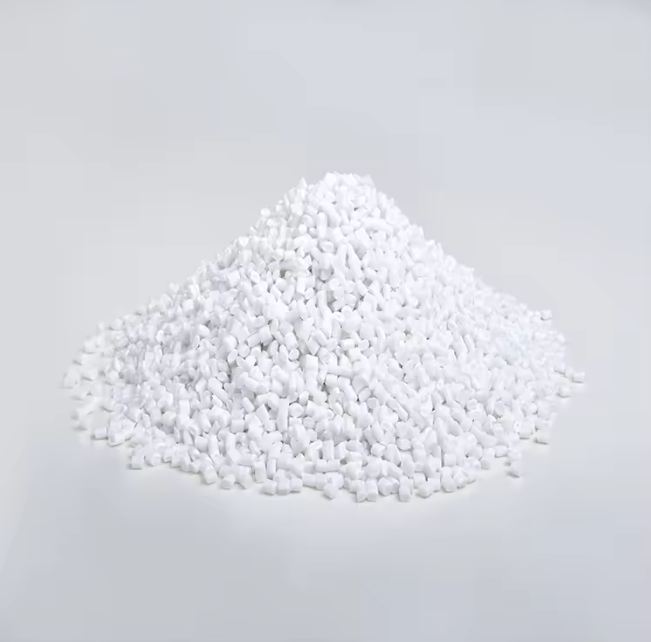
When you pick materials for your sheet extrusion line, you decide how good your final product will be. CHINA GWELL Machinery Co.,Ltd helps you find the best polymers and additives for what you need.
Common Polymers
There are many popular polymers used in sheet extrusion lines. Each one is good for different jobs.
Polypropylene (PP)
Polypropylene is strong and handles heat well. You use PP sheets in car parts and things people use every day. PP is becoming more popular because it works for many things.
Polyethylene (PE)
Polyethylene is great at stopping chemicals and water from getting through. You see PE sheets in packaging and insulation. Low-density polyethylene (LDPE) is used a lot because it fits many needs.
Polycarbonate (PC)
Polycarbonate is tough and very clear. You use PC sheets for safety windows, electronics, and screens. PC is a good choice when you need strong and see-through sheets.
Polystyrene (PS)
Polystyrene is easy to shape and stays stiff. You use PS sheets for signs, displays, and trays for packaging. PS is not expensive and works well for simple products.
PET
PET sheets are strong, clear, and resist chemicals. You find PET in food packages and medical trays. PET is safe for things that need to be very clean.
Here is a table showing market trends for common polymers:
| Polymer Type | Market Share/Trend |
| Low-density polyethylene (LDPE) | Expected to dominate the market due to its applications in various sectors. |
| Ethylene-vinyl acetate (EVA) | Commonly used but specific market share not detailed. |
| Polypropylene (PP) | Anticipated to grow at the highest CAGR due to its properties and wide applications. |
Material Properties
You need to check important properties when you choose a polymer for your sheet extrusion line.
Strength and Durability
You want sheets that are strong and last a long time. Polypropylene and polycarbonate are tough and do not break easily. These are good for hard jobs.
Chemical Resistance
You need sheets that can handle chemicals and water. Polyethylene and PET are great at blocking these things. They keep products safe in rough places.
Transparency
Sometimes you need clear sheets for packaging or displays. Polycarbonate and PET are very clear and look smooth.
Tip: Always pick a polymer that matches what your product needs. This helps your sheet extrusion line work better.
Additives
You can make your sheets better by adding special things. CHINA GWELL Machinery Co.,Ltd can help you use these additives.
UV Stabilizers
UV stabilizers keep your sheets safe from sunlight. You use them for things that stay outside. They help your sheets last longer and keep their color bright.
Fillers
Fillers change how heavy, strong, or cheap your sheets are. You add fillers to make sheets stiffer or cost less. Fillers help you get the right kind of sheet for your job.
How strong and flexible a polymer is tells you where to use it.
If your sheets face tough conditions, chemical resistance is important.
How easy it is to process a polymer affects how well your line works.
Price and how easy it is to get the material matter for big orders.
You also need to follow industry rules. Medical, food, and building products must use approved materials. You look for FDA, UL, or NSF marks to make sure they are safe.
Note: Using recycled materials and saving energy helps you waste less and protect resources. CHINA GWELL Machinery Co.,Ltd has ways to make your sheet extrusion line greener.
By picking the right polymers and additives, you make your sheet extrusion line work better and your products more dependable.
5. Benefits, Applications, and Troubleshooting
Key Benefits
Cost Efficiency
You can save money with a sheet extrusion line. These machines help you spend less in many ways. Polypropylene sheets can be used again up to 100 times. This means you do not need to buy new sheets often. The first machine costs more, but you save later. You can cut your total costs by 30% or more. This is because you can reuse and recycle the sheets. New machines also use less energy, so your bills go down.
Here is a table that explains why these sheets are a good choice:
| Benefit | Description |
| High Strength & Reusability | You can use the sheets many times, which saves builders money. |
| Cost-Effective & Eco-Friendly | You save up to 30% and recycle sheets, so there is less waste. |
| Waterproof & Chemical Resistant | Sheets do not rot or rust, so you do not need extra repairs. |
Versatility
You can use these sheets for many different jobs. They work well with other building materials. You can cut, shape, or machine them without trouble. This makes them useful for many projects. You get a smooth finish on concrete, which saves you time.
High Output
You can make more sheets in less time with these lines. Modern machines use smart controls and better cooling. This helps you make more products. For example, some lines can make over 10 million kg each year. This is up to 40% more than old machines. AI controls help you get 25% more sheets and use 15% less energy. Fast cooling lets you make over 600 kg every hour.
Applications
Packaging
You use these sheets to make packaging like trays and containers. The sheets protect products and keep them fresh. They also help food stay safe when it is shipped.
Construction
You find these sheets in insulation and wall panels. They are also used for formwork. The sheets make buildings stronger and save energy. Polypropylene sheets give concrete a smooth look. They also resist water and chemicals.
Automotive
You use these sheets to make car parts. The sheets are light but strong. They help cars use less fuel and stay safe.
Industrial Uses
You see these sheets in machine guards and storage bins. They are also used for work surfaces. The sheets last a long time and can handle hard jobs.
Tip: One sheet extrusion line can make products for many industries. This helps your business grow and do more things.
Troubleshooting Tips
Common Issues
You might have problems when you run your line. Here are some common problems and how to fix them. If you see melt fracture, lower the melt temperature or change the die. If you see air bubbles, dry your material better and vent more. If the size is wrong, check your settings and the melt temperature. If the surface looks bad, clean the die and cool better. If the sheet bends, cool it evenly to keep it flat.
Maintenance Advice
You keep your line working well by taking care of it. Try these steps to help your machine last longer:
| Maintenance Practice | Description |
| Feed Throat Cleaning | Take out dirt so cooling stays even. |
| Barrel Clearance | Check space to keep output steady. |
| Control Panel Maintenance | Look at wires to stop overheating. |
| Barrel Fan Cleaning | Remove burnt resin and other things. |
| Gearbox Oil Change | Change oil and look for metal pieces. |
Use purging compounds to clean out old plastic. Watch for changes in pressure and check your raw materials. Keep a log of your care to find problems early.
Note: Checking and cleaning your line often helps you avoid big problems. This keeps your products good and your line running.
Choosing Equipment
Picking the right equipment helps you reach your goals. It also keeps your product quality high. You need to think about a few important things before you buy.
Production Needs
First, think about what you need to make. Ask yourself some questions. How much do you want to make each day or month? Some products need flexible sheets. Others need sheets that can handle strong chemicals. How much money can you spend? Remember to count the machine price, running costs, and waste. How tough do your sheets need to be? Think about sun, water, and other things that might hurt them.
Tip: If you want your business to grow, pick machines that can grow too. CHINA GWELL Machinery Co.,Ltd has machines that can change how much they make.
Material Compatibility
You need to check if your machine works with your materials. This is important for steady work and knowing your costs. Make sure your extruder can use all the resins you want. This includes recycled and special materials. Check if the machine can use PE, PVC, and PP. Each one melts and flows in its own way. If you use many materials, get a machine with settings you can change. This helps you switch jobs fast.
Note: CHINA GWELL Machinery Co.,Ltd makes machines for many kinds of polymers. You get good quality and lower costs when you make a lot.
Brand Selection
A good brand gives you help and support. Compare what each brand offers. Look at their features and service.
| Parameters | Values |
| Screw Speed | 10-100rpm |
| Output | 350-1100kg/h |
| Max Width | 2000mm |
| Heating Zone | 8 Zones |
| Dimension | 600030002000mm |
| Max Thickness | 2mm |
| Screw L/D Ratio | 335:1 |
| Material | Pet |
| Cooling Zone | 3 Zones |
| Frequency | 50HZ |
You should also look for these services. You want help any time, day or night. You need someone to fix problems fast. You want help to keep your line working. You need checks to stop breakdowns. You want training and tips for your team.
Tip: CHINA GWELL Machinery Co.,Ltd gives you strong support and training. You can trust them to keep your line running well.
When you pick equipment, think about what you need to make, what materials you use, and what help you get from the brand. This will help you do your best and grow your business.
You can watch how a sheet extrusion line changes raw materials into things for packaging, building, and cars.
You get high efficiency, smart controls, and the same good quality every time.
You should pick equipment from a trusted brand with good support. This helps your machines work well all the time.
You can ask experts at CHINA GWELL Machinery Co.,Ltd for special help and new technology.
FAQ
What is a sheet extrusion line?
A sheet extrusion line is a big machine. It melts plastic pellets and makes flat sheets. These sheets are used in packaging and building. Many other industries use them too. CHINA GWELL Machinery Co.,Ltd makes advanced machines for different jobs.
How do you choose the right sheet extrusion line?
First, think about what you want to make. Check what materials you will use. You also need to know your budget. CHINA GWELL Machinery Co.,Ltd has many choices. You can ask their experts for help picking the best machine.
What materials can you use in a sheet extrusion line?
You can use many polymers in these machines. Some examples are polypropylene (PP), polyethylene (PE), polycarbonate (PC), polystyrene (PS), and PET. CHINA GWELL Machinery Co.,Ltd makes machines that work with all these materials and more.
How do you keep your sheet extrusion line running well?
You should clean the machine often. Check the rollers for dirt or damage. Watch for any signs of wear. Doing regular maintenance helps stop problems. CHINA GWELL Machinery Co.,Ltd gives tips and support to keep your line working well.
What are the main benefits of using a sheet extrusion line?
You can make lots of sheets fast. You save money and have more choices. These machines let you make sheets for many uses. CHINA GWELL Machinery Co.,Ltd builds lines that save energy and make less waste.
Can you recycle materials with a sheet extrusion line?
Yes, you can use recycled plastics in many machines. This helps you spend less money and protect nature. CHINA GWELL Machinery Co.,Ltd has ways to use recycled materials in their lines.
How does automation help in a sheet extrusion line?
Automation lets you control things like temperature and speed. You can also set the thickness. This gives you better quality and less waste. CHINA GWELL Machinery Co.,Ltd uses smart controls and sensors for easy use.
Who should you contact for expert help with sheet extrusion lines?
You can talk to CHINA GWELL Machinery Co.,Ltd for expert advice. They help you pick equipment and give technical support. Their team helps you choose the right machine for your business.
